Stop Ignoring Aspect Ratio in Cinematography
May 04, 2026Aspect Ratio: A Technical Setting or a Creative Tool?
Rethinking Aspect Ratio
4:3, 16:9, 2.35, 2.39… we’ve all seen these aspect ratios used across films and videos. Most of the time, we treat them as technical specs, something dictated by the camera, the platform, or the deliverable.
But what if aspect ratio is more than that?
What if it’s a creative decision, one that shapes how your audience experiences your image, where their attention goes, and how the scene feels, just like lighting or sound design?
On a recent shoot, I had a moment that forced me to rethink how I approach aspect ratio entirely.
How I Typically Approach Aspect Ratio
I’ve shot projects in different aspect ratios before, but those decisions were almost always made in pre-production, usually to give the project a more cinematic feel.
When I’m shooting corporate films, though, aspect ratio isn’t something I actively think about on set. Just like frame rate, it’s typically set ahead of time. And more often than not, that default is 16:9.
It works. It’s reliable. But on this shoot, something changed.
The Moment It Changed on Set
After setting up my first interview frame, before even placing the subject, I found myself looking at the monitor and instinctively wanting to crop the top and bottom of the image.
This is what the original 16:9 frame looked like:
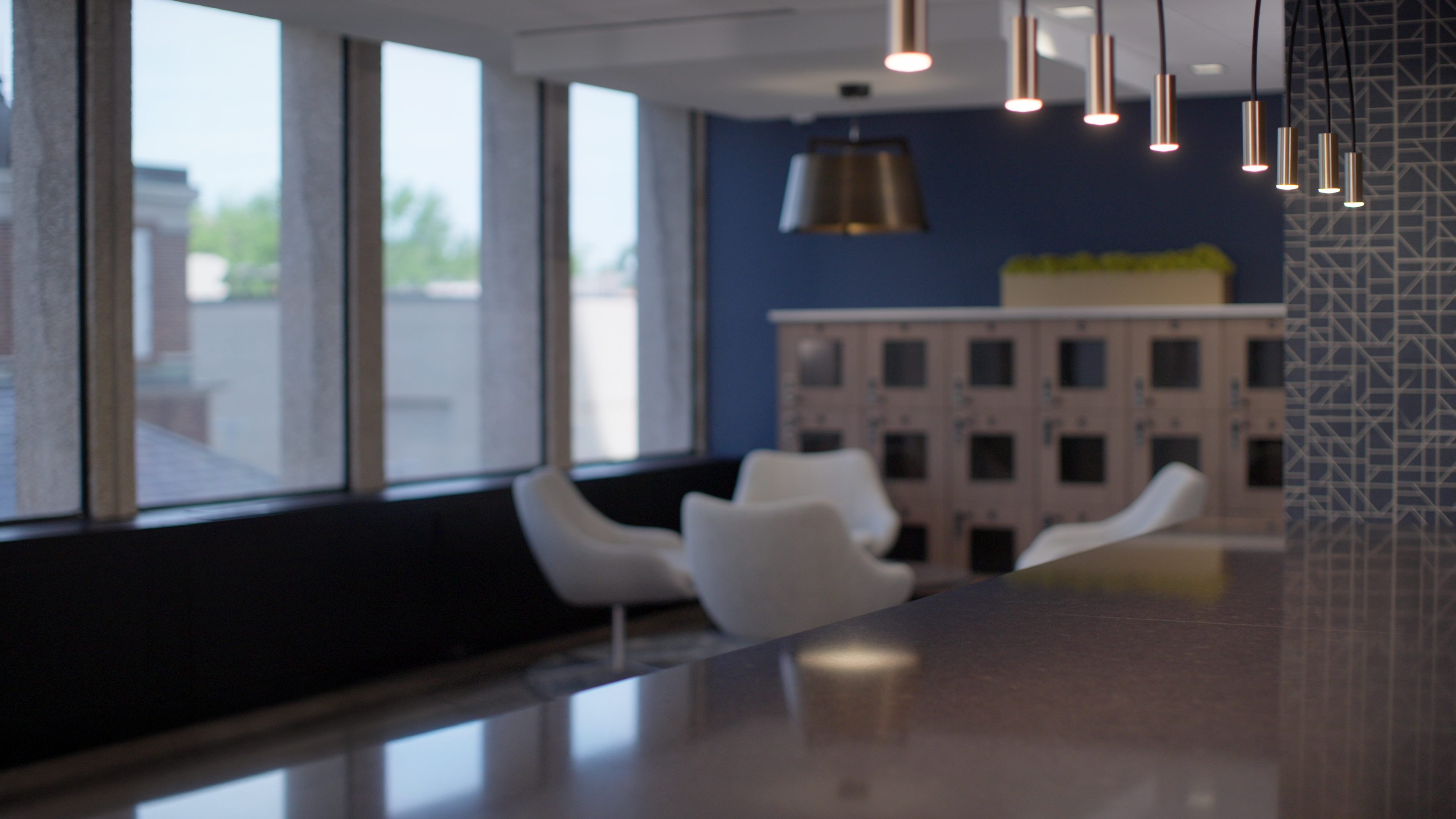
16:9 frame before placing the subject
Nothing felt wrong. The composition worked. But something about the lines made me curious about going wider.
So I turned on a 2.39 frame guide on my monitor:
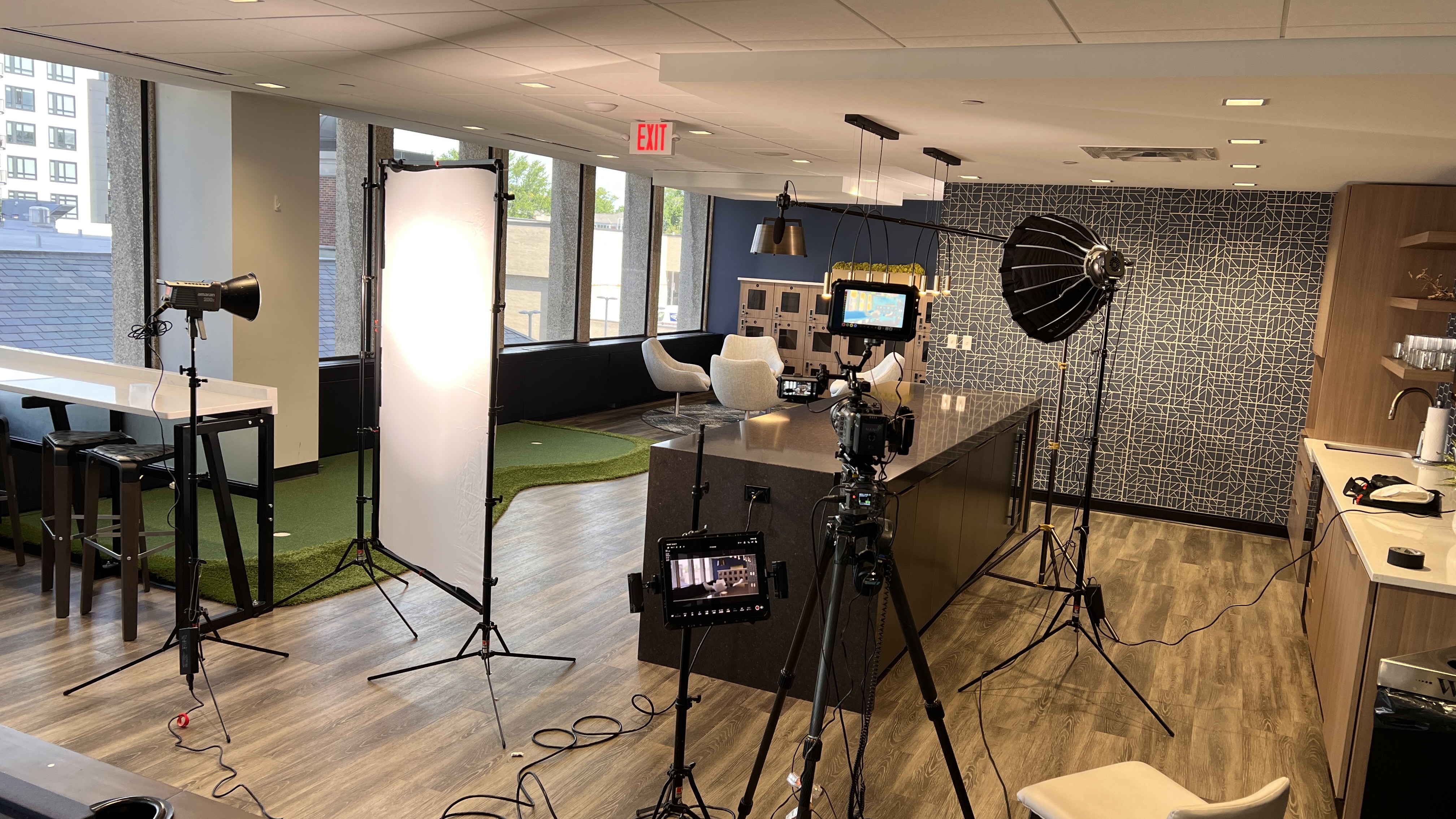
On set with 2.39 frame guide enabled
And this is what that looked like:
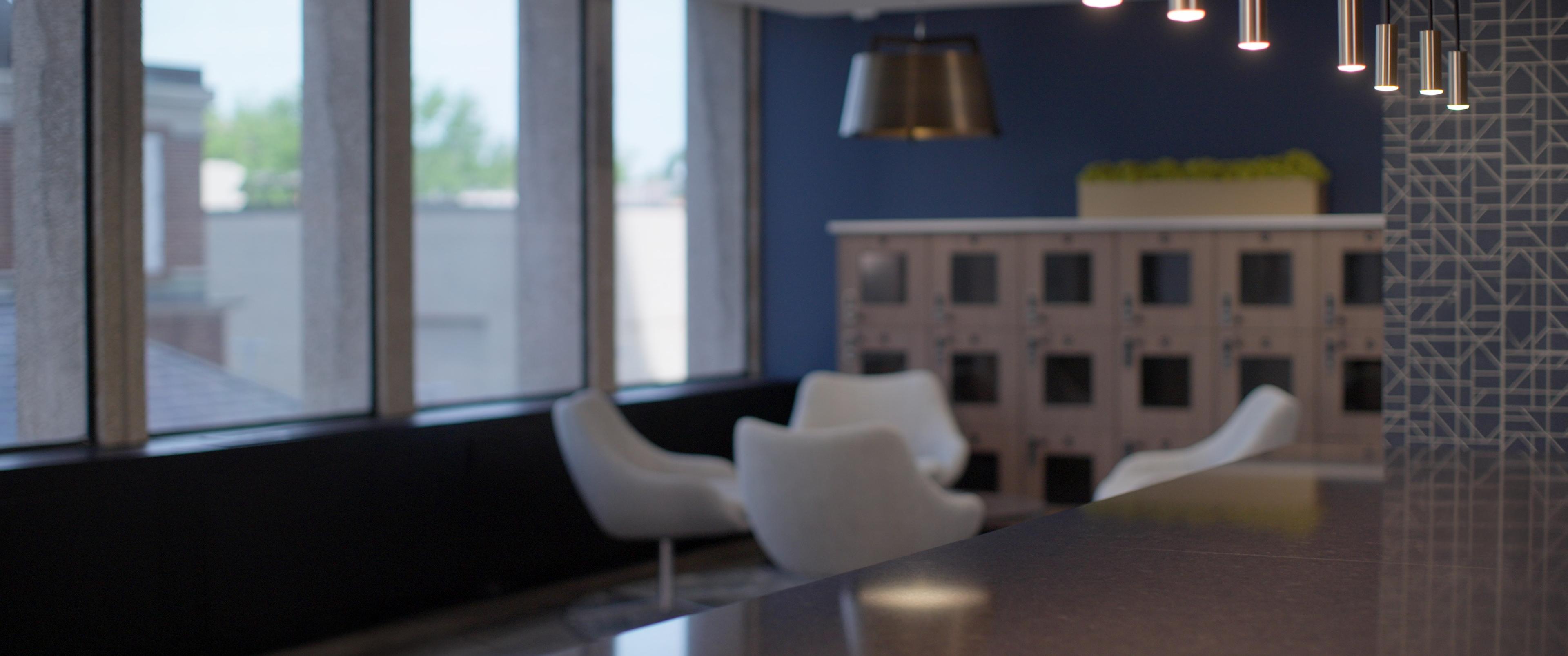
2.39 frame guide before placing the subject
That’s when things started to shift.
What the Frame Was Telling Me
The composition was already pushing horizontally:
- The counter created a strong foreground line
- The background extended depth across the frame
- The overall visual flow moved left to right
The wider frame didn’t change the composition. It revealed what the composition was already doing.
With the Subject: Where the Difference Becomes Clear
Once we brought the subject into the frame, the difference between the two aspect ratios became much easier to see.
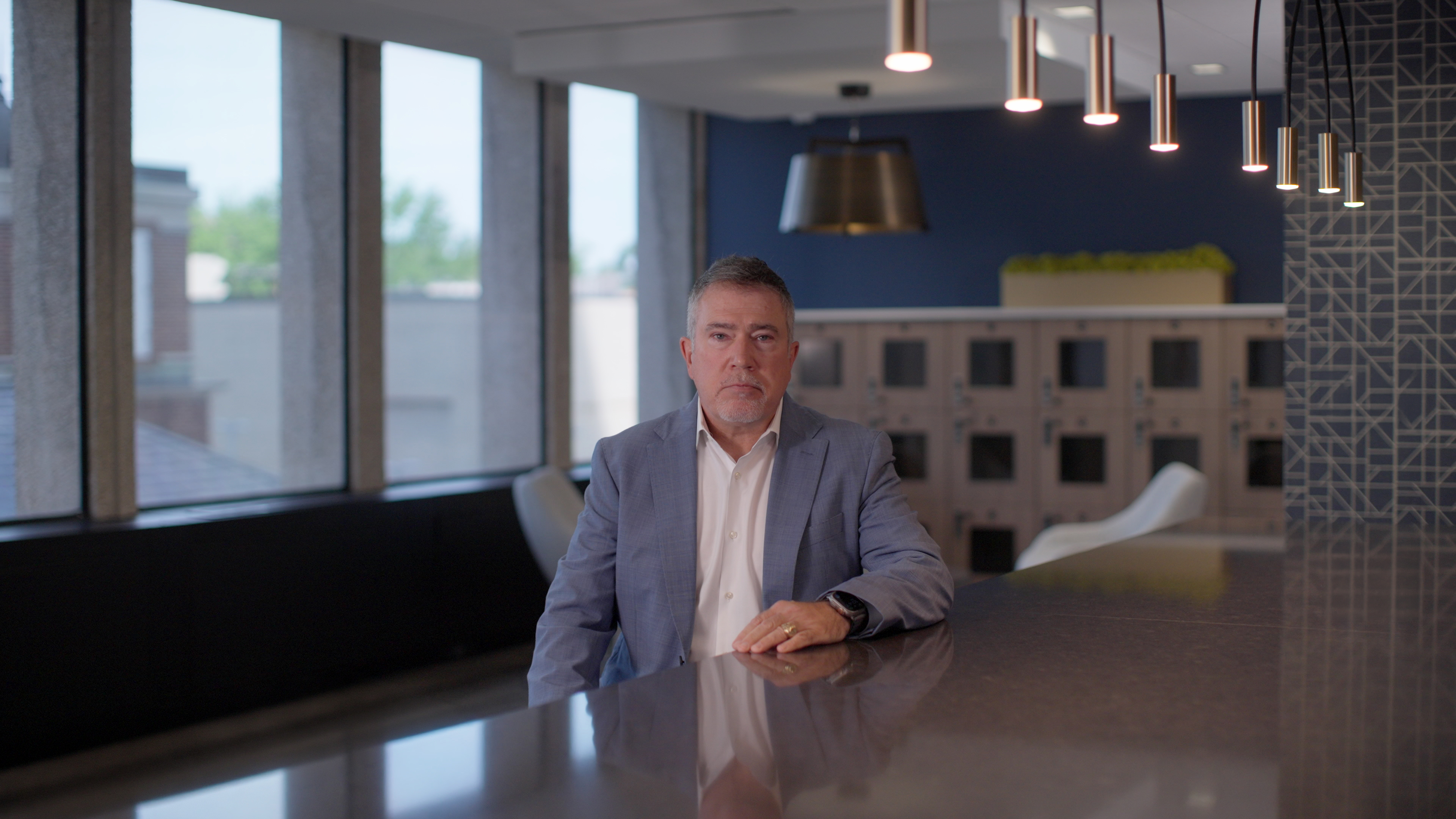
16:9 aspect ratio
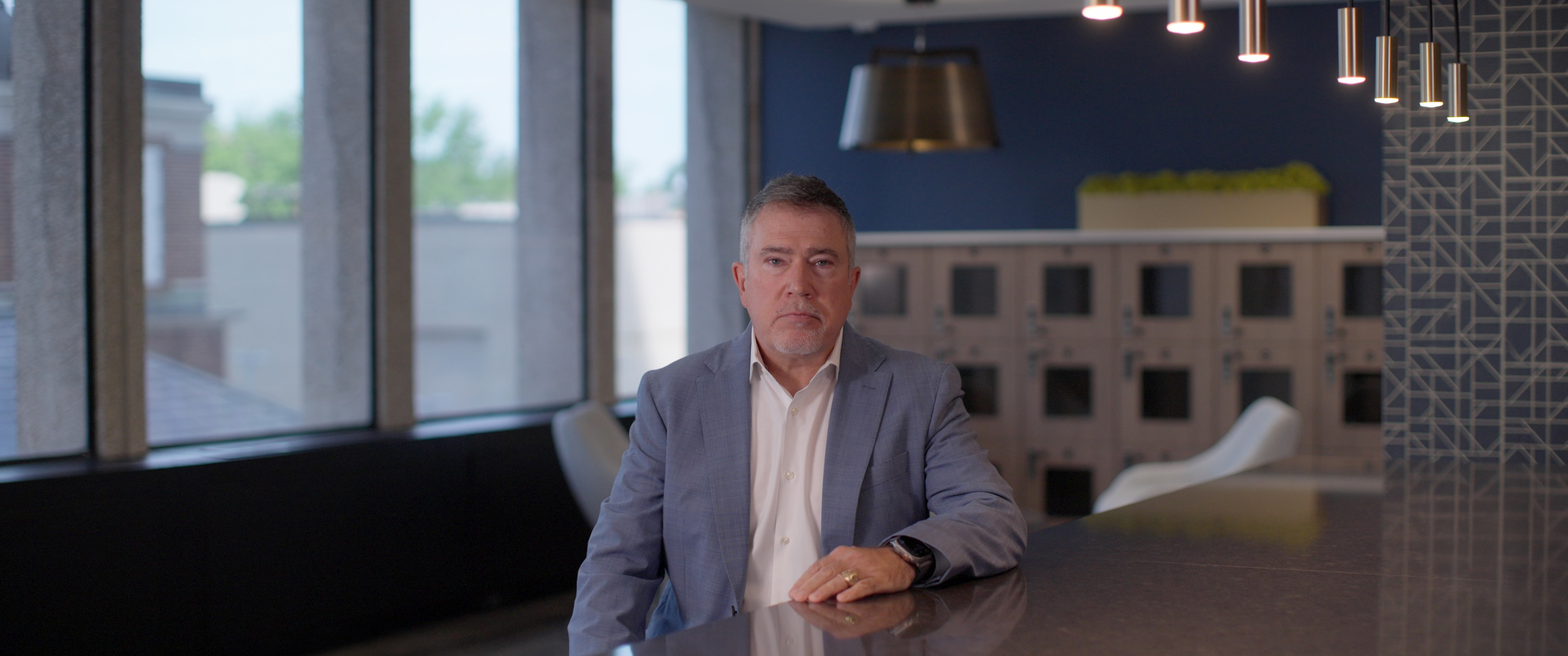
2.39:1 aspect ratio
The 16:9 frame has a lot going for it. There is depth, reflection, and strong environmental context. But it also spreads attention across multiple elements.
- The reflection pulls attention down
- The windows draw attention left
- The pendant lights introduce vertical distractions
In the 2.39 frame, those distractions are reduced.
When I asked people what they were looking at, the difference was clear:
- In 16:9, they described the environment first
- In 2.39, their attention went straight to the subject
That shift in attention is the key difference.
The Advantage of Shooting in 4K
One of the reasons I felt comfortable exploring this on set is because I shoot in 4K but deliver in 1080p.
That gives me flexibility in post-production:
- Reframe vertically
- Adjust the composition
- Push in on the subject without losing quality
This allows aspect ratio to remain a creative decision, not a fixed limitation.
Second Setup: Confirming the Pattern
For the second setup, we kept the same environment and simply reversed the direction of the shot.
Instead of shooting toward the back corner, we turned around and framed the opposite side of the space, using the same counter as a foreground element.
This gave us a new composition, but with similar structural elements.
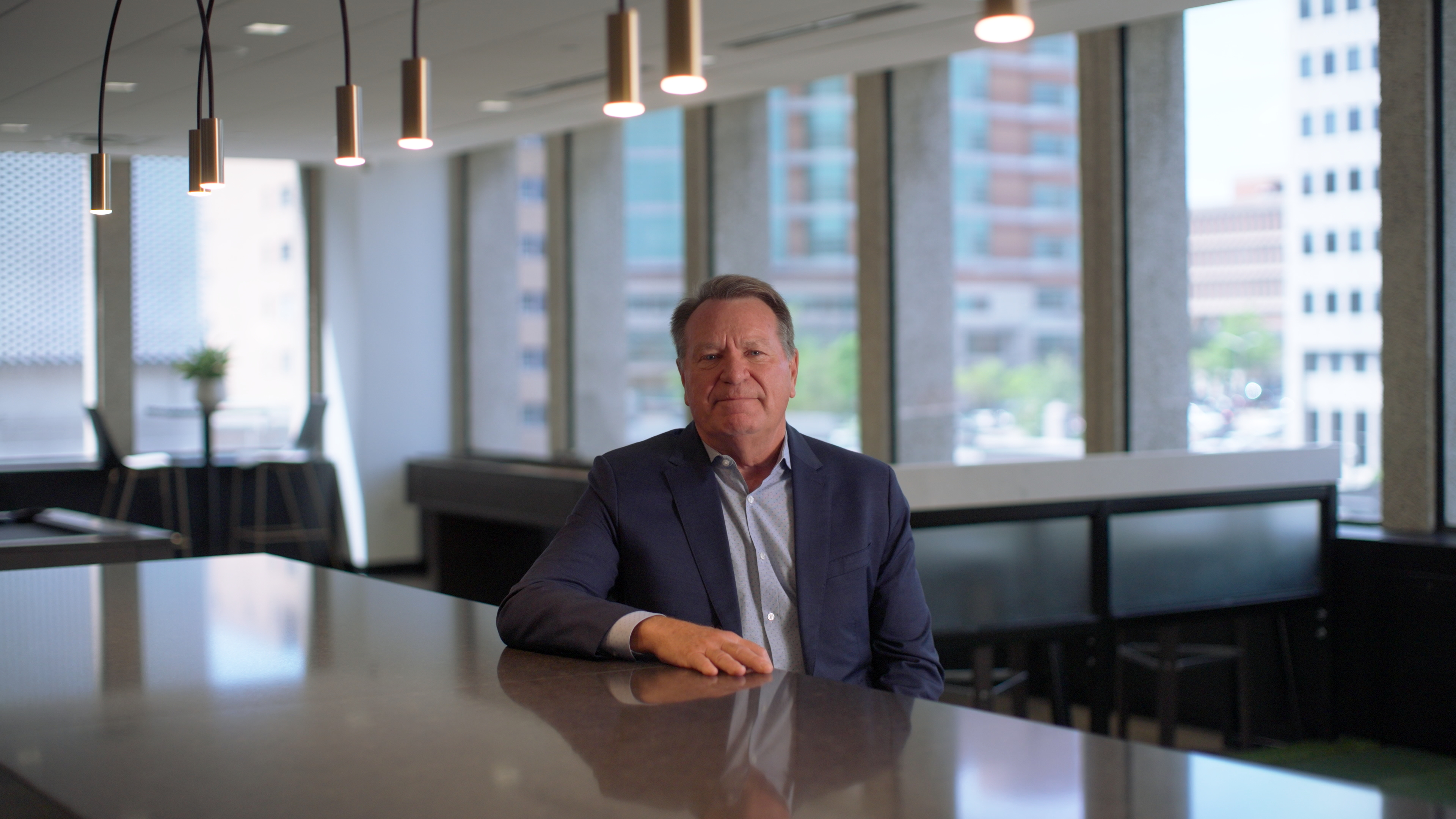
16:9 aspect ratio
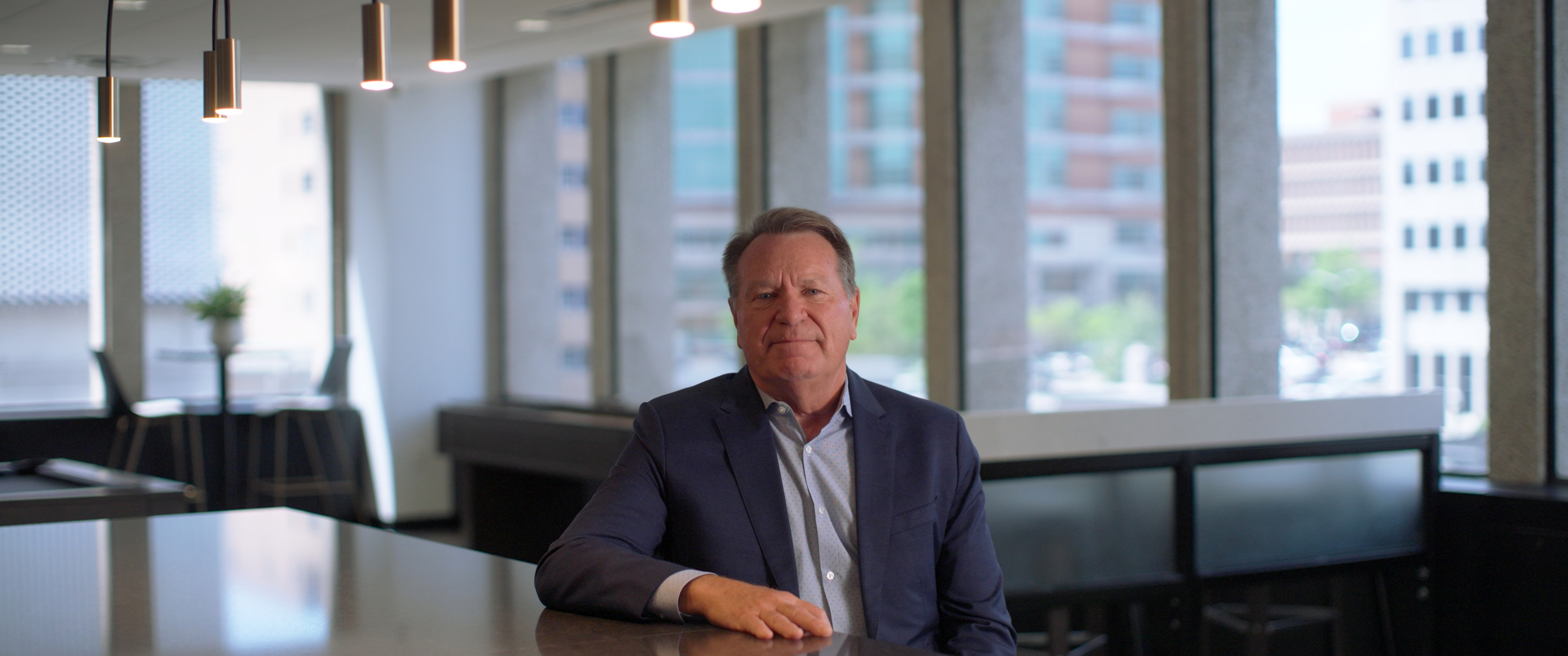
2.39:1 aspect ratio
Even though the composition changed, the same principle applied.
In the 16:9 frame, there are more vertical elements competing for attention. The pendant lights, the structure of the room, and the added vertical space all introduce more visual information.
In the 2.39 frame, that vertical space is reduced. The image simplifies, the horizontal lines become more dominant, and the overall flow of the composition becomes clearer.
What’s interesting here is that the direction of the image has now reversed. Instead of pushing to the right, the composition is now pushing to the left.
But the widescreen frame still works in the same way. It enhances that horizontal movement rather than competing against it.
This confirmed for me that this wasn’t just a one-off moment from the first setup. It was something more fundamental.
The way the image is composed, the direction of the lines, and the balance of the frame can all influence which aspect ratio feels more appropriate.
Aspect Ratio as a Creative Tool
We use lighting to guide attention.
We shape light to separate subjects, create contrast, and direct the viewer’s eye.
But aspect ratio can do something very similar.
By adjusting the frame, you can:
- Remove distractions
- Control negative space
- Reinforce composition
- Direct viewer focus
This was the first time I experienced that happening organically on set.
There Is No Right or Wrong
The 16:9 version works. The 2.39 version works differently.
This isn’t about choosing the “right” aspect ratio. It’s about choosing the one that communicates best.
Aspect ratio can shape mood, guide attention, and influence how your audience experiences your work.
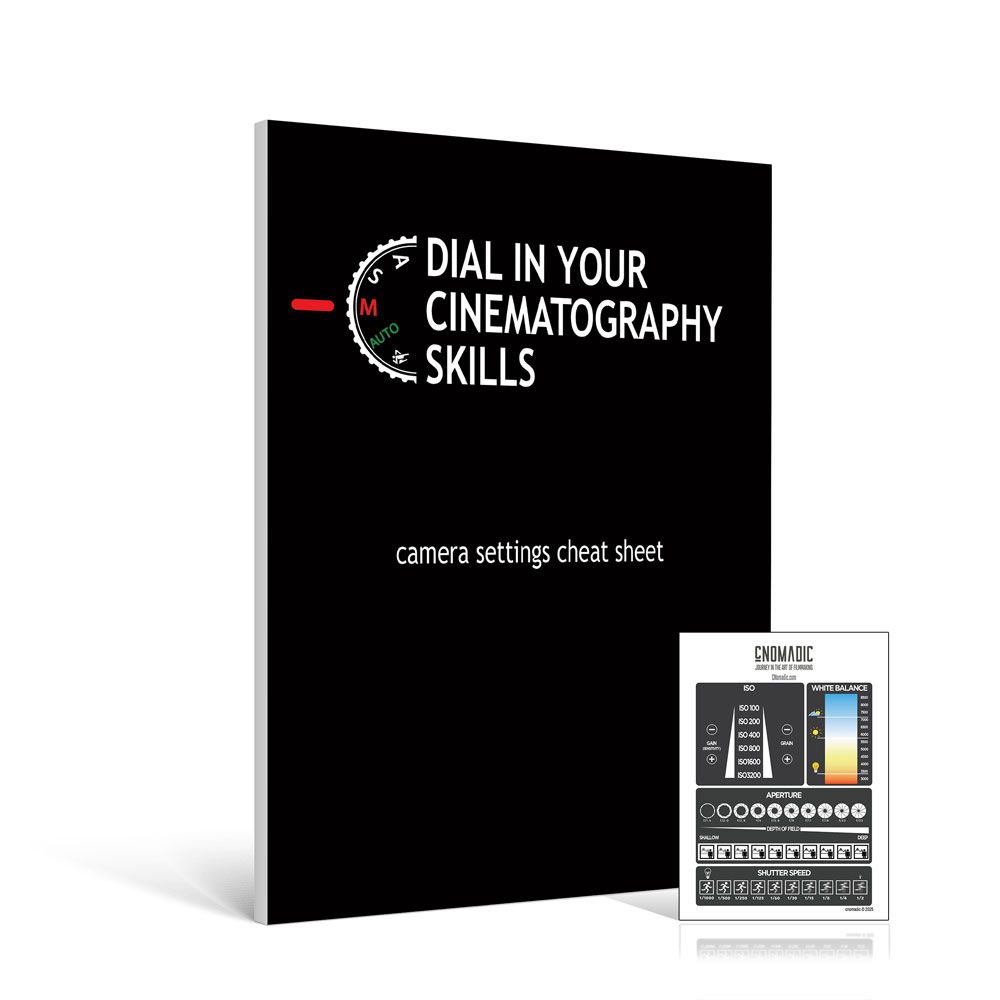
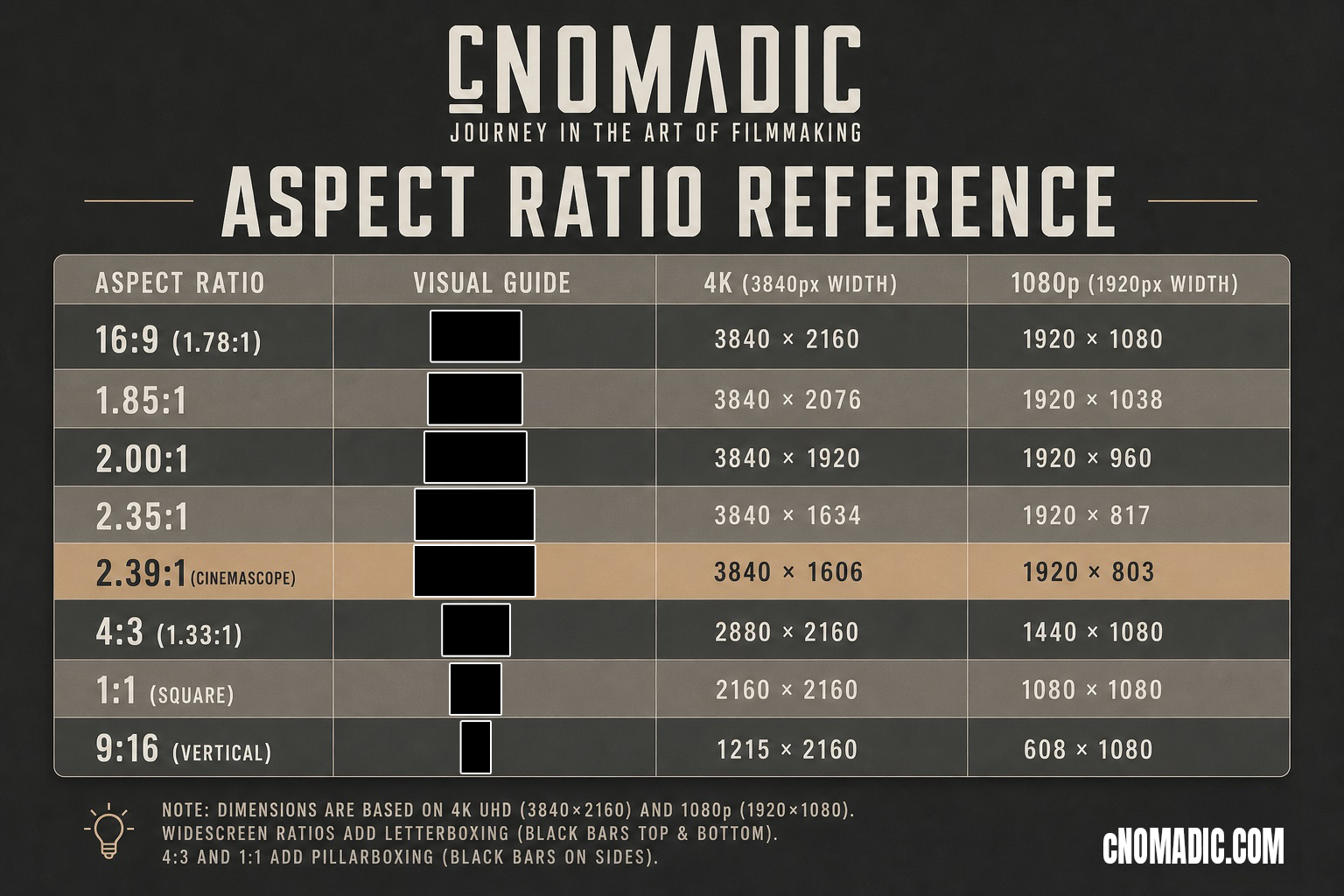
Free Aspect Ratio Reference Guide
Aspect ratio isn’t just a format, it’s part of your composition.
I created a free guide with exact pixel dimensions for common aspect ratios in 4K and 1080p, so you can make those decisions with more intention on set or in post.
Final Thoughts
Next time you frame a shot, don’t just default to 16:9.
Look at the image and ask what it’s asking for.
You might find a different aspect ratio communicates more clearly.
by Chris Tinard © cNOMADIC 2026
To learn more about cNOMADIC's online cinematography course, visit cNOMADIC.com