The Cinematic Power of 3/4 Backlight
May 18, 2026Why 3/4 Backlight Feels Cinematic
Sometimes the difference between a flat image and a cinematic image is not the quality of the light. It is simply where the light is positioned.
After watching The Madison, one thing immediately stood out to me visually. Almost every frame in the series is backlit. But more importantly, the placement of that backlight is incredibly intentional.
The sun is rarely placed directly behind the subject. Instead, the light often sits slightly off to the side, creating what I would describe as a 3/4 backlight. That subtle shift changes everything. Suddenly the image has shape, depth, atmosphere, highlights, falloff, and emotion.
Flat lighting gives information. Directional lighting gives emotion.
What makes the show valuable to study is not necessarily the scale of the production. Most of us are not working with massive crews, giant HMIs, or schedules built entirely around golden hour. What makes it valuable is the lighting philosophy behind the images.
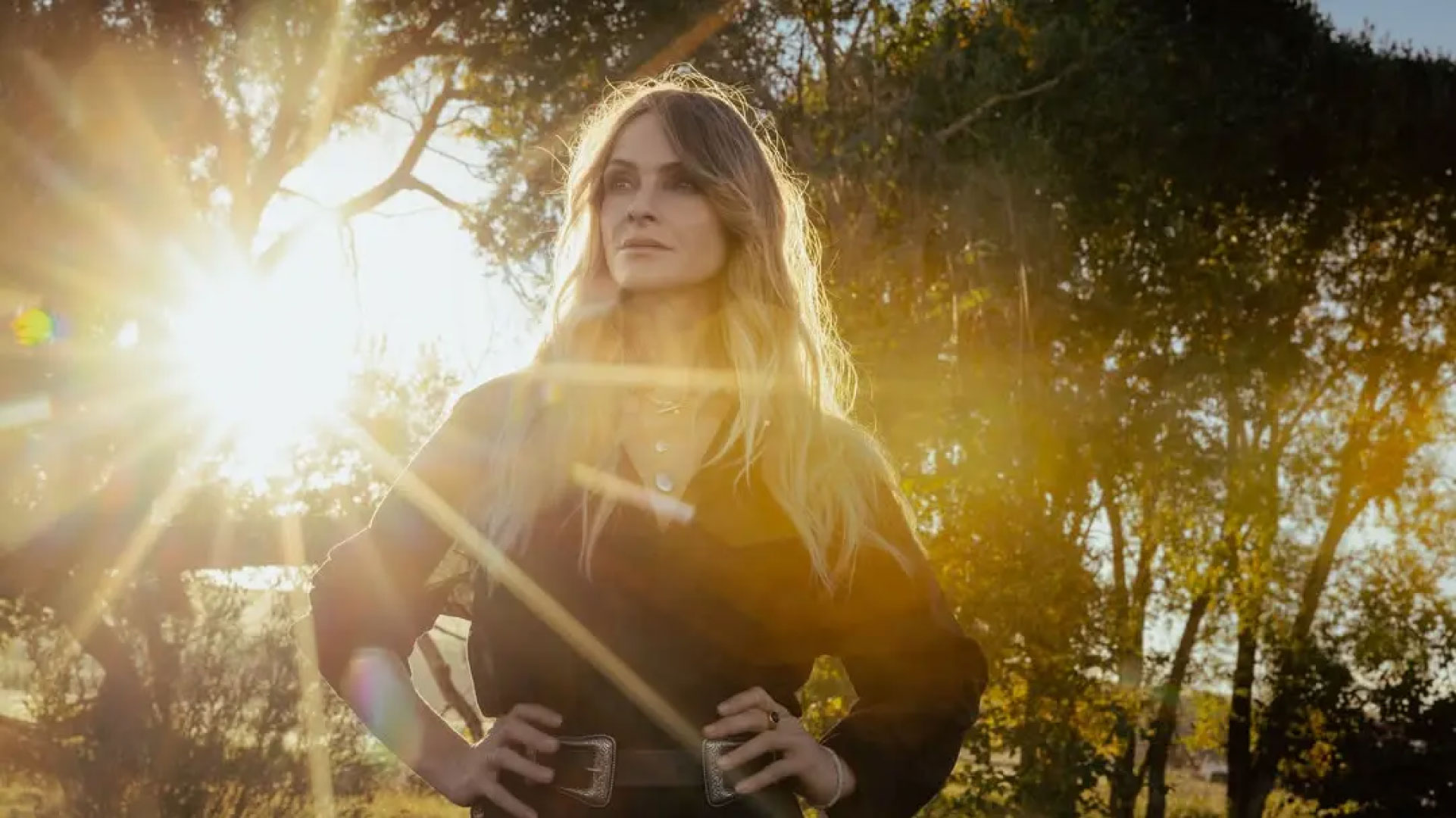
Direct backlight with the sun visible in frame
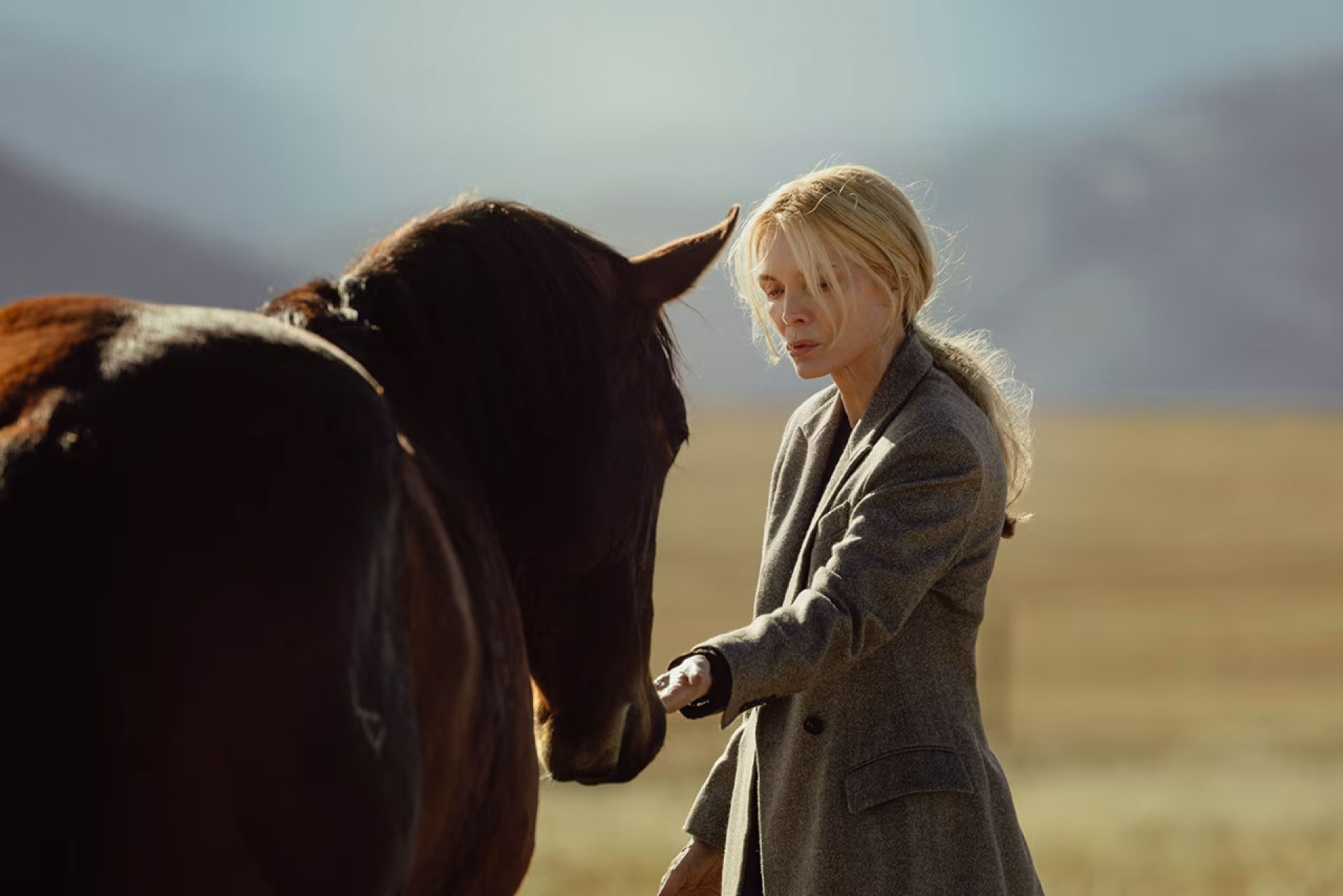
3/4 backlight creating shape and directional contrast
Backlight alone is not enough
Backlight naturally creates separation, atmosphere, and highlights. But not all backlight behaves the same way.
When the light source sits directly behind the subject, especially outdoors, it can sometimes flatten the face entirely. The subject becomes more of a silhouette. The highlights become dominant, but the face loses dimensionality.
By moving the light slightly toward one side, the light begins creating highlights on one side of the subject while preserving shadows on the opposite side. That transition between highlight and shadow is what creates depth.
Contrast is not simply brightness. Contrast is the relationship between highlights and shadows. Without shadows, the image starts to feel flat.
This is one of the biggest mistakes I still catch myself making in corporate filmmaking. We become so focused on seeing the face clearly that we accidentally destroy the directional quality of the light.
Directional lighting creates selective visibility
Flat lighting is useful. It is safe. It exposes everything clearly. It is common in interviews, corporate work, broadcast television, and commercial productions where consistency and visibility are priorities.
But directional lighting creates mood because it introduces selective visibility. The audience is no longer seeing everything equally. The light begins choosing what to reveal.
That is why cinematic lighting often feels emotional instead of informational.
In this frame from my Maasai documentary work, the light source is completely off frame camera right. The sunlight creates highlights across the forehead, cheek, jewelry, and shoulders, while the opposite side naturally falls into shadow.
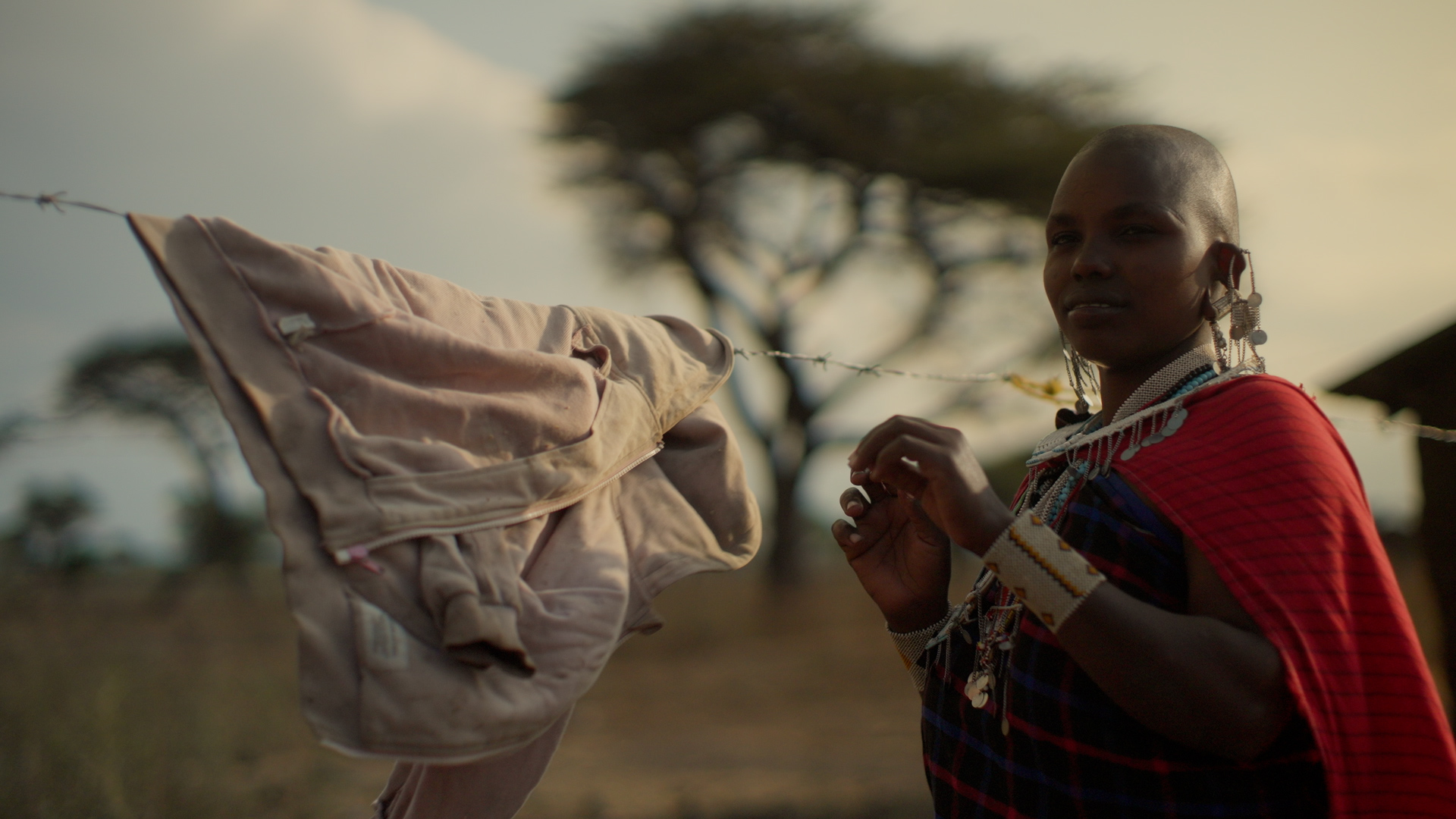
What makes this image work is not simply the backlight. It is the restraint.
I did not try to completely fill the shadow side. I did not try to flatten the contrast. I allowed the shadows to exist.
That is often the difference between something feeling cinematic versus simply well exposed.
Why this matters in corporate filmmaking
Hollywood productions can do things most of us cannot. They can place enormous lighting units outside windows. They can schedule entire scenes around perfect sun angles. They can fly diffusion overhead. They can relight entire environments. They can expose for the sun while simultaneously lifting the subject with massive fixtures.
Most corporate filmmakers and documentary shooters do not have those resources.
That is why understanding positioning becomes incredibly valuable.
Instead of trying to overpower the sun, we can simply use the sun differently. When the light source remains outside the frame, the exposure becomes much more manageable. We can expose for the subject while still benefiting from the natural highlights and directional shadows the light creates.
This is exactly why 3/4 backlight works so well for real-world productions. It gives us the cinematic quality of backlight without requiring massive lighting packages to balance the exposure.
The instinct to overfill the shadows
One of the most common mistakes in corporate and documentary work is over-correcting the shadows.
We see contrast on the face and instinctively try to remove it. That often means adding bounce, adding fill, or placing reflectors too aggressively on the shadow side.
This softball shot is a perfect example from my own work.
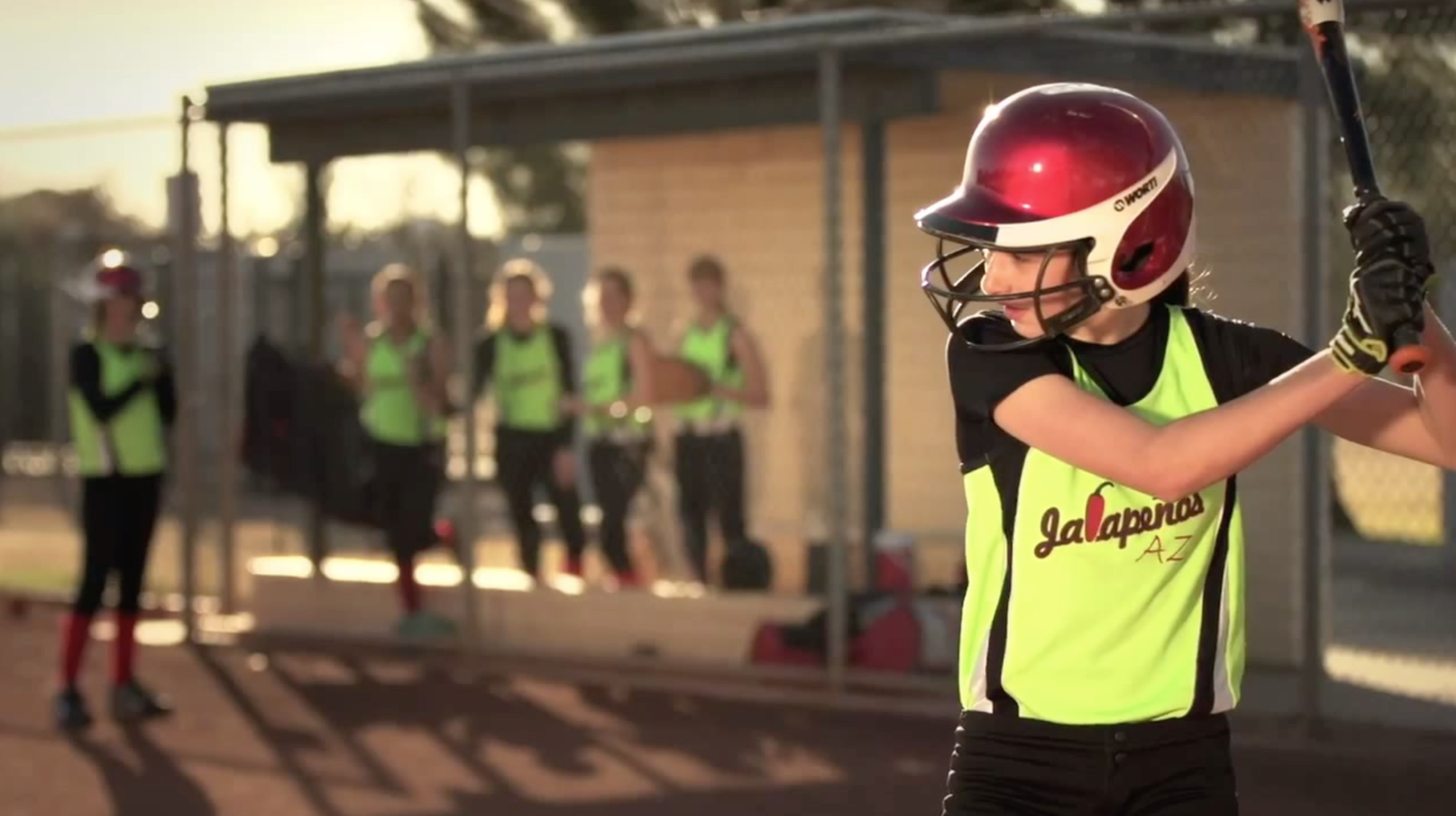
The shot already has beautiful golden hour backlight. The sun creates highlights around the helmet, shoulders, and background atmosphere.
But I pushed the fill too far.
The shadow side became too bright, and the image lost some of its directional contrast. The sunlight was motivated from one direction, but the fill started flattening the face from the opposite side.
Looking back, the better decision would have been using less fill or repositioning the bounce closer to the motivated side of the sunlight.
The mistake was not the backlight. The mistake was trying to control it too much.
Directional light works indoors too
This lighting philosophy is not limited to sunsets and exterior cinematography. Directional light works on virtually every type of shot.
In this simple corporate detail shot, the window light creates subtle highlights across the hands and keyboard.

The shot works because the light still has direction. The shadows remain intact. The highlights gradually roll across the fingers and skin.
If this had been front lit from camera side, the image would immediately feel flatter and more informational.
Cinematic lighting is not always dramatic lighting. Sometimes cinematic lighting is simply preserving direction.
Three-point lighting is not the problem
Traditional three-point lighting is often taught as a key light, fill light, and backlight. That framework is useful when learning. But problems happen when it becomes a rigid formula.
Many people place the backlight directly behind the subject because that is how the diagram is traditionally shown.
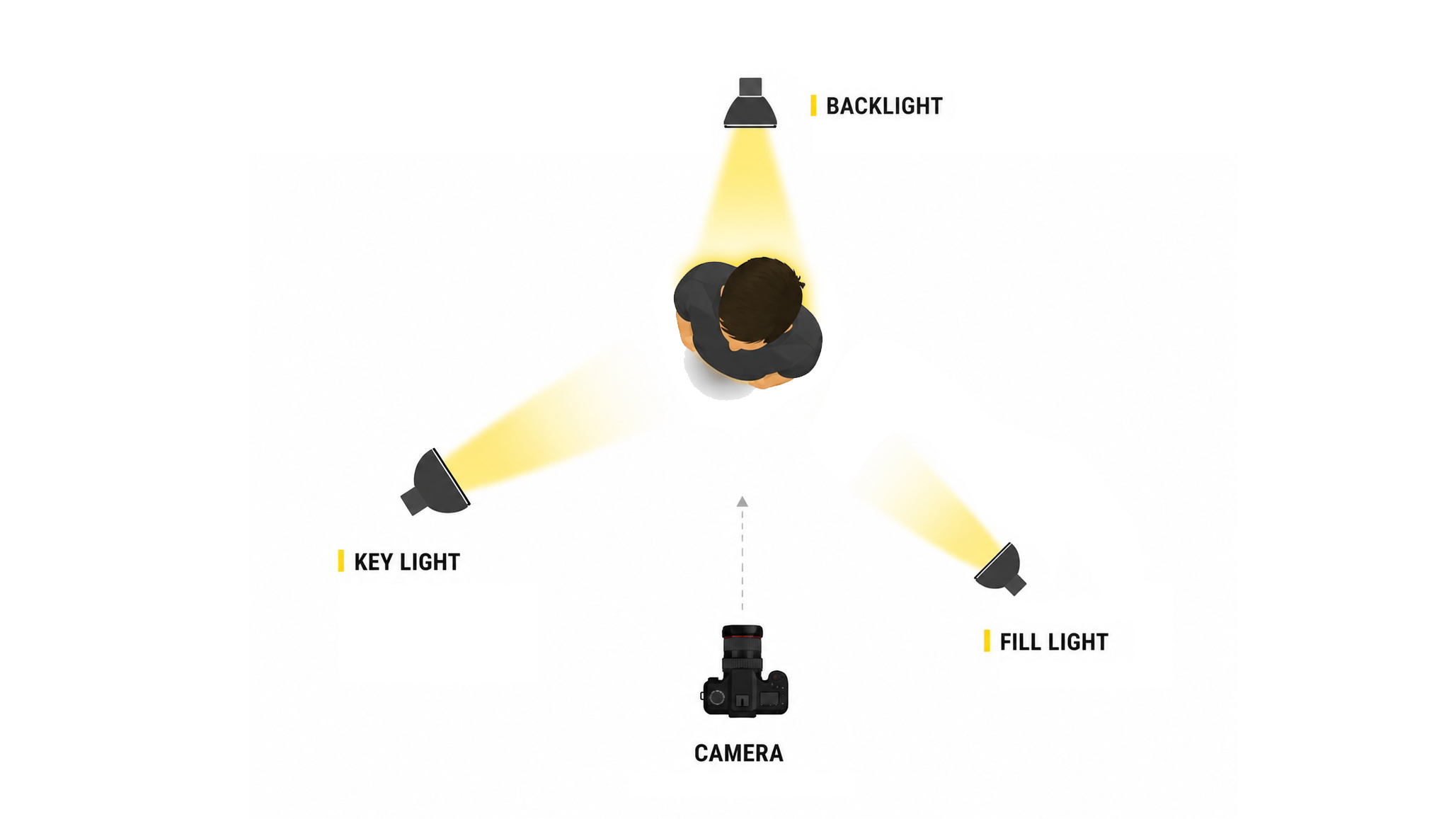
But when the backlight shifts into a more directional 3/4 position, the image immediately gains more shape and depth.
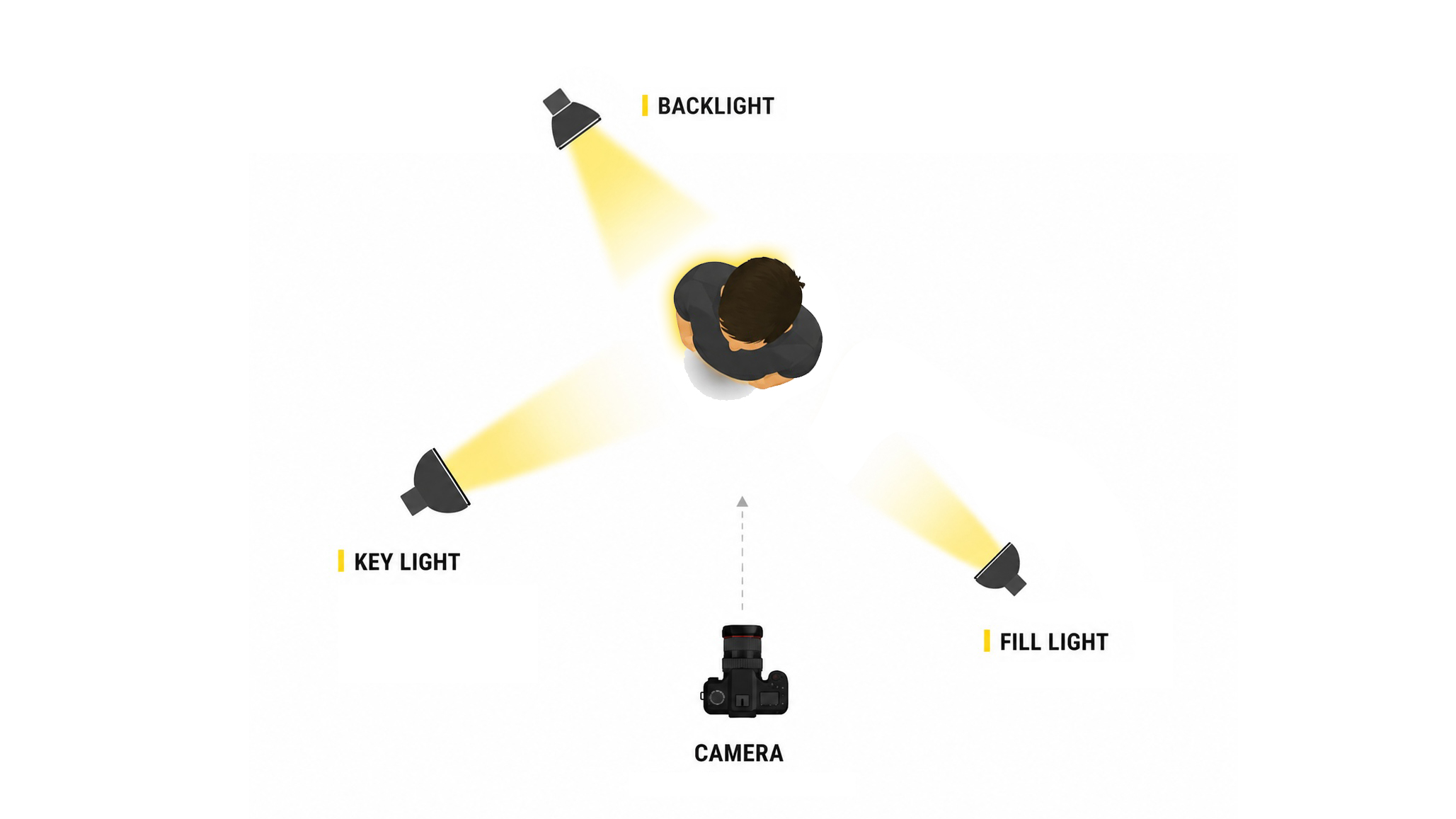
Now the backlight begins functioning almost like a motivated key source. It creates highlights on one side while preserving natural shadows on the opposite side.
That small positional change completely changes the emotional quality of the image.
Natural realism often comes from restraint
One of the things I admire most about the cinematography in The Madison is that they allow the light to remain directional.
Even when there is likely additional fill or large lighting units involved, they do not flatten the image completely. The shadows still exist. The highlights still feel motivated. The contrast still feels natural.
This frame from the series is a perfect example.
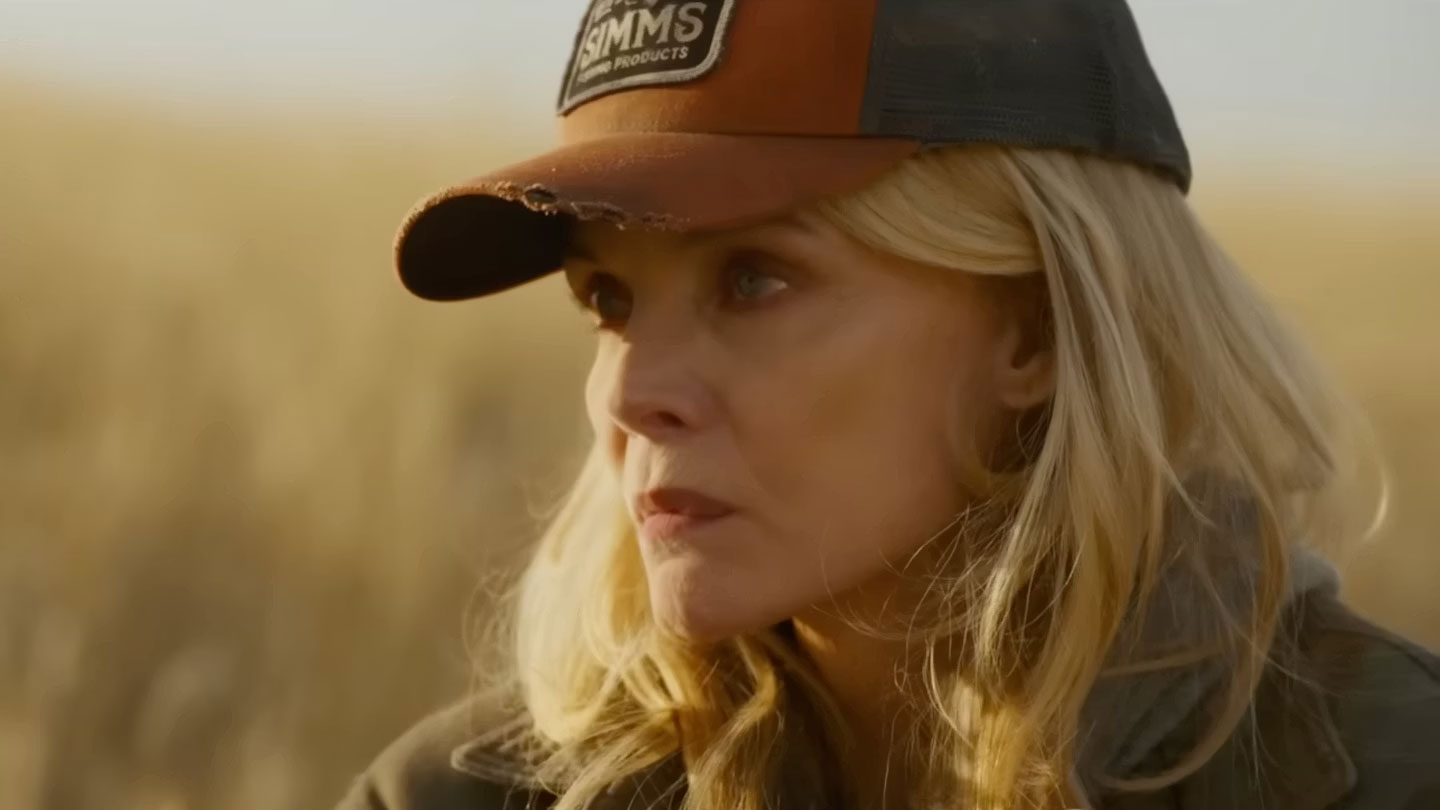
The sunlight is clearly coming from one side of the frame. The highlights wrap beautifully across the face while the opposite side remains in shadow.
That transition between highlight and shadow is exactly what creates the feeling of depth.
Backlight reveals atmosphere
Directional backlight does not only shape faces. It also reveals atmosphere.
Dust, haze, smoke, rain, hair, fabric, and texture all become more visible when light passes through them from behind or from the side.
This industrial frame is a good example. The backlight is not just separating the worker. It is revealing the dust in the air and creating texture across the scene.
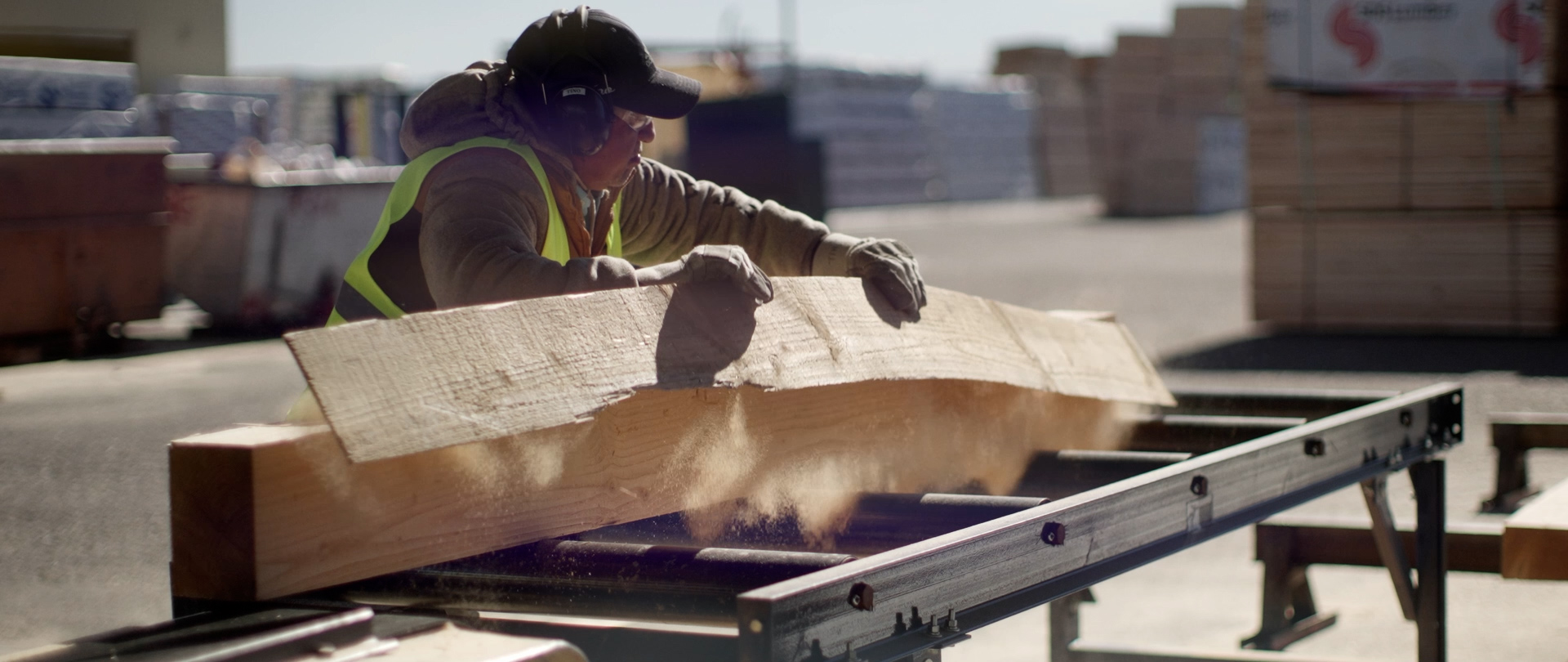
Without that directional backlight, the dust would barely register. The image would feel more like documentation and less like cinematography.
Corporate lighting can still feel clean
Using 3/4 backlight does not mean every image has to become dark, moody, or overly stylized.
In corporate interviews, the goal is often to keep the subject flattering, professional, and approachable while still preserving enough direction to avoid a flat image.
This interview frame shows a softer version of the same idea.

The room remains bright and polished, but the image still has depth because the light has direction. The background feels connected to the subject, and the frame avoids the overly flat look that happens when everything is lit evenly from camera side.
This is an important distinction. Cinematic lighting does not always mean dramatic lighting. Sometimes it simply means the light is positioned with intention.
Final thoughts
One of the biggest takeaways from studying productions like The Madison is realizing how much cinematic quality can come from something as simple as light placement.
We often think cinematic images require massive crews, giant budgets, expensive equipment, or elaborate lighting setups. And while those things certainly help, the philosophy behind the lighting matters even more.
Sometimes the difference between a flat image and a cinematic image is simply preserving shadows, allowing directional contrast, keeping the light motivated, showing restraint with fill, and shifting the backlight slightly off axis.
That small adjustment can completely change the emotional quality of the image.
And the beautiful thing is that this approach works just as well in corporate filmmaking, documentary work, interviews, and small productions as it does in Hollywood.
If you want to dive deeper into cinematography, exposure, dynamic range, and understanding how to control your camera more intentionally, be sure to check out my online course, Essential Camera Settings.
by Chris Tinard © cNOMADIC 2026
Learn more about cNOMADIC’s online cinematography philosophy and training at cNOMADIC.com