What Bugonia Taught Me About Depth of Field
Jun 24, 2026What Bugonia Taught Me About Depth of Field
Every aperture choice is a decision about what information the audience gets to see.
I recently watched Bugonia, directed by Yorgos Lanthimos and photographed by cinematographer Robbie Ryan, and one thing immediately stood out to me.
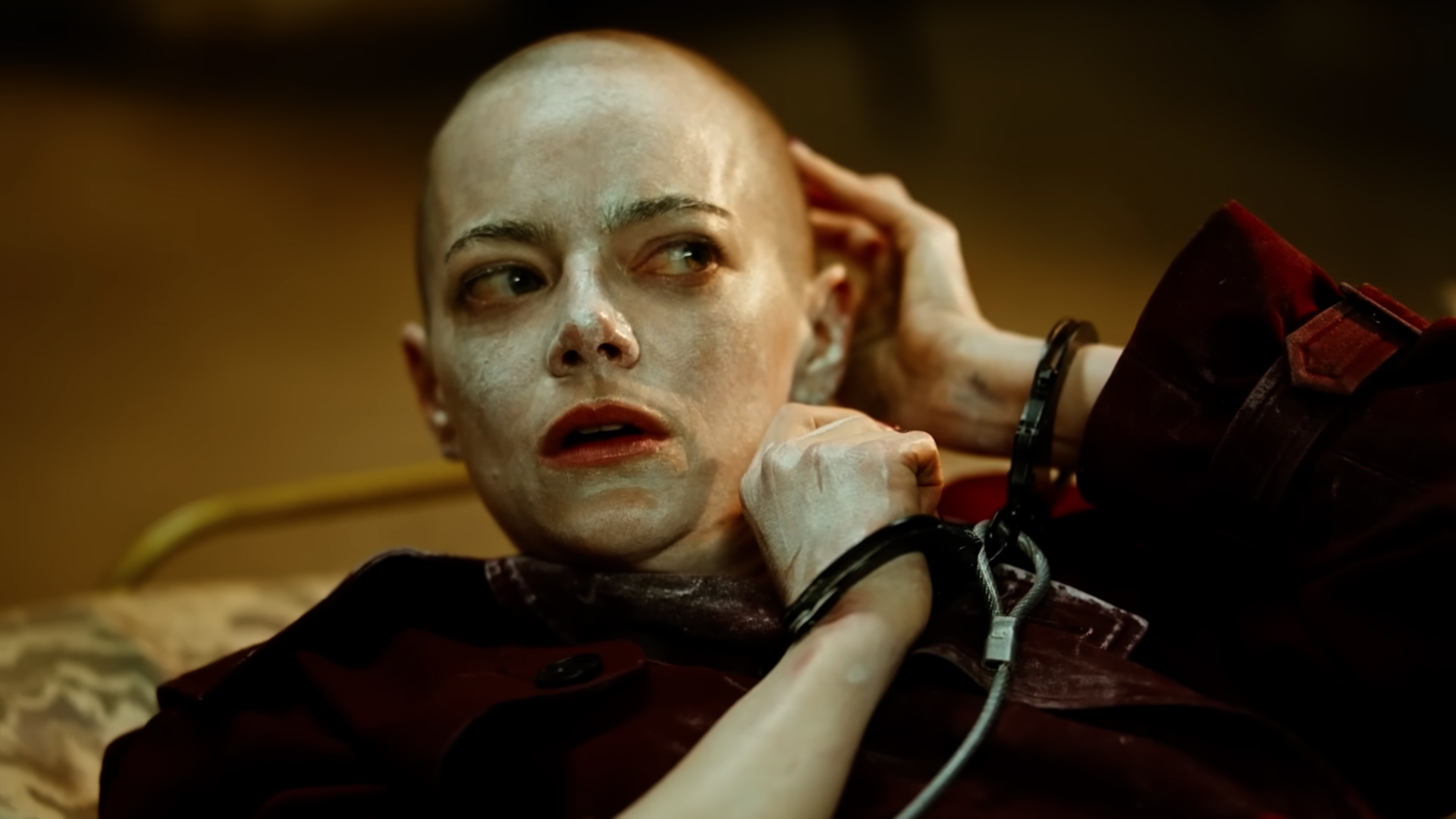
Parts of the film appear to be shot wide open with a very shallow depth of field.
That caught my attention because over the years I have heard many cinematographers argue against shooting wide open. Their argument is that once depth of field becomes too shallow, the environment can stop contributing to the story. You gain subject isolation, but you can lose context.
Yet here was a major Hollywood production embracing exactly that look.
It raised an interesting question:
What role does depth of field actually play in storytelling?
And perhaps more importantly, what do we gain—or lose—when we choose to isolate a subject from their environment?
Shallow depth of field has long been associated with professional cinematography. For many filmmakers, it represents the difference between amateur footage and cinematic imagery. The ability to throw a background completely out of focus feels expensive, intentional, and professional.
When I purchased my first cinema lens with a maximum aperture of T1.3, I became obsessed with shooting wide open. The look was addictive. Subjects separated from the background. Distractions disappeared. Every image immediately felt more cinematic.

Like many filmmakers, I assumed more blur automatically meant a better image.
If a little blur looked good, then more blur had to be better.
At least that was my thinking at the time.
In interviews discussing the production of Bugonia, Robbie Ryan spoke about the team's desire to shoot in VistaVision. VistaVision uses a larger image area than traditional 35mm film and naturally produces a shallower depth of field for a given field of view.
Ryan also discussed the importance of finding lenses that would remain sharp when shot at their widest apertures.
That detail matters.
The filmmakers were not simply accepting shallow depth of field as a consequence of their format choice. They actively sought lenses capable of delivering the look they wanted while maintaining image quality.
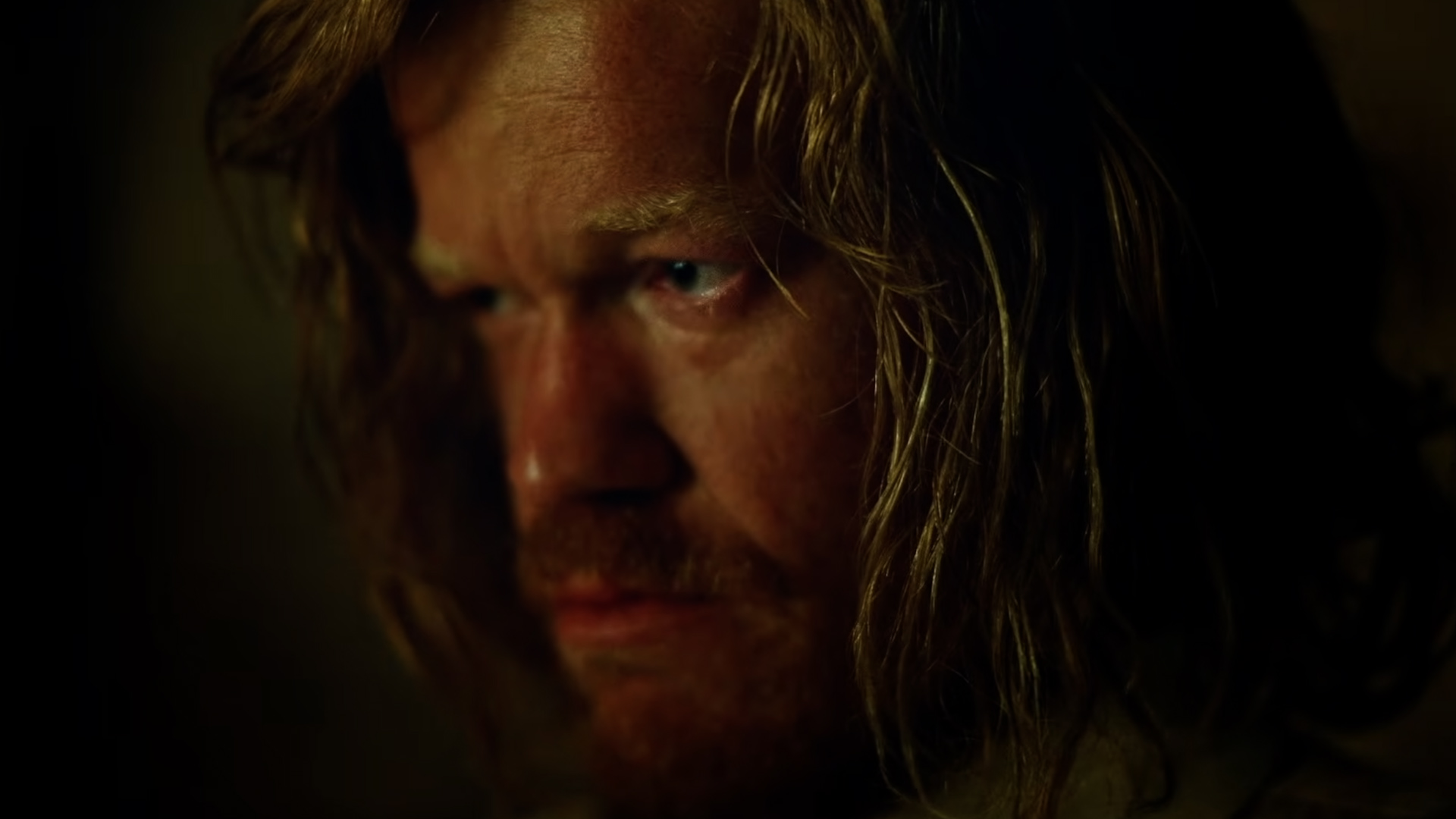
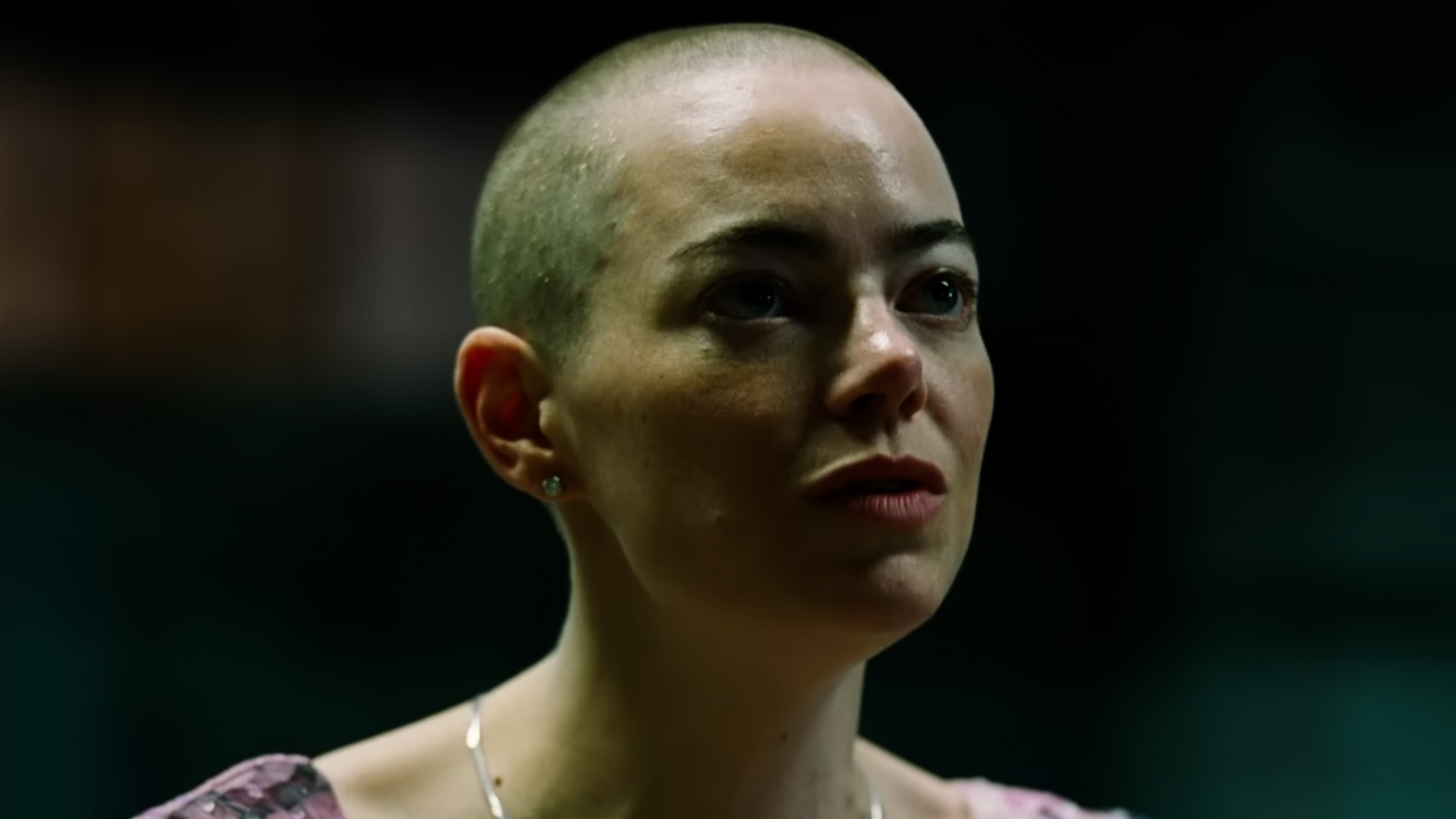
The result is a film where backgrounds frequently disappear and attention is concentrated almost entirely on the character. The combination of VistaVision, wide-open lenses, and deliberate framing choices creates an extremely shallow depth of field, causing backgrounds to completely fall away and isolating subjects from the world around them.
It came as a surprise when I started hearing experienced cinematographers say they rarely shoot wide open. Some told me they preferred working around T4. Others argued that once the depth of field becomes too shallow, the environment stops contributing to the story.
At first, I struggled to understand that perspective.
After all, if shallow depth of field looks so good, why wouldn't you use it as much as possible? Why buy a lens capable of shooting at T1.3 if you're just going to stop it down?
I also had the opportunity to work with some very high-end anamorphic lenses, and that experience challenged my assumptions as well.
I had always assumed that shooting wide open was the best way to use a lens. Instead, I discovered that some of these lenses became noticeably softer at their widest apertures. Critical focus became more difficult, and the image quality wasn't always at its best.
For the first time, I began to understand why some cinematographers chose to stop down.
It wasn't simply about gaining more depth of field.
Sometimes it was about lens performance.
The equipment simply did not perform at its best when shot wide open.
That is one of the reasons I found Robbie Ryan's comments so interesting. He specifically discussed the challenge of finding lenses that would remain sharp when shot at maximum aperture.
The filmmakers wanted the look of shallow depth of field, but they also needed lenses capable of delivering the image quality required to support it.
What is fascinating about Bugonia is that it appears to embrace extremely shallow depth of field in some scenes while maintaining much deeper focus in others.
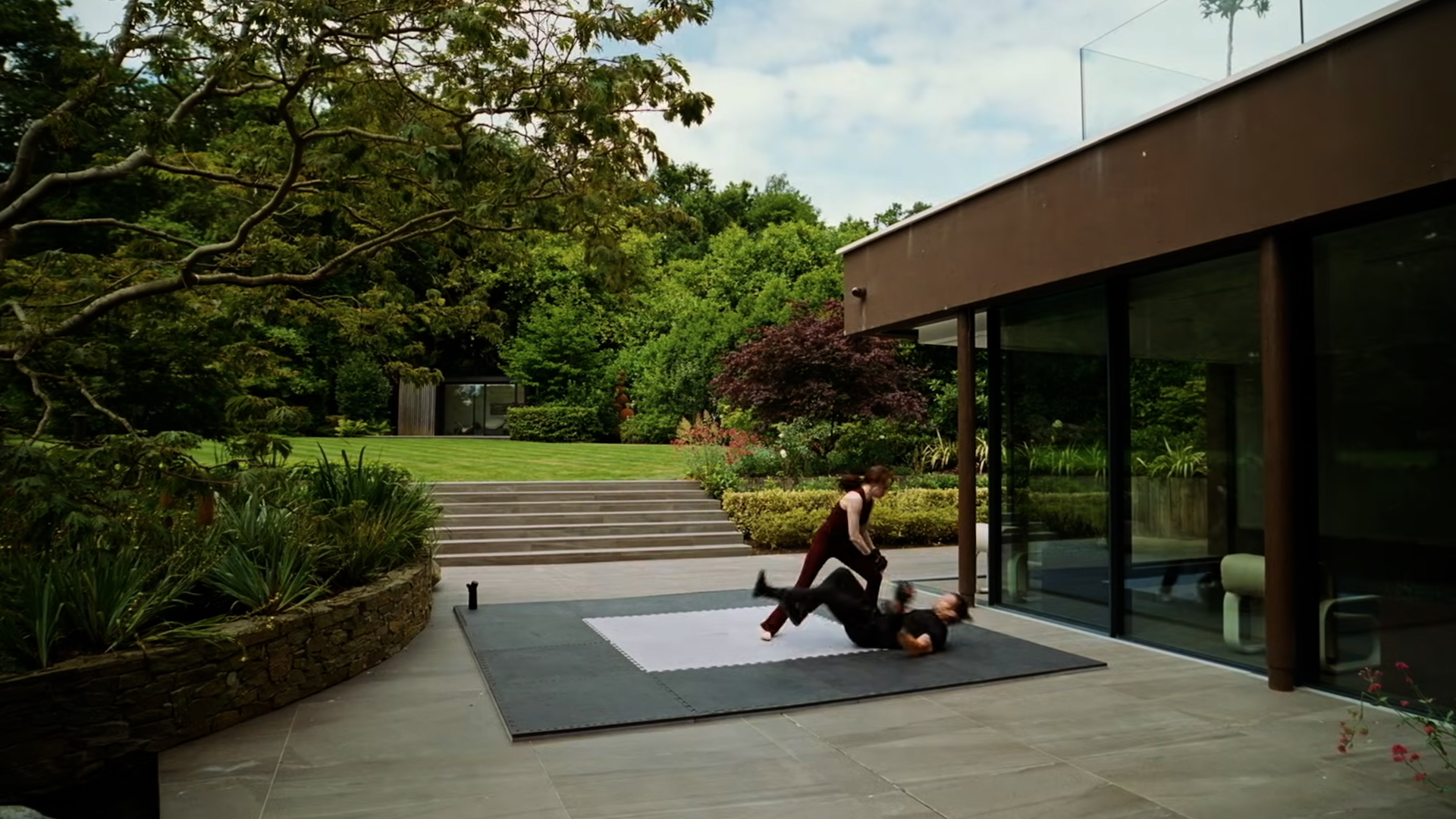
I did not find a strict pattern to it.
The film uses extremely shallow depth of field in the opening sequence, in several close-up shots in the basement, inside the corporate office, and even in scenes inside Michelle's home.
What I found interesting was how those images affected my experience as a viewer.
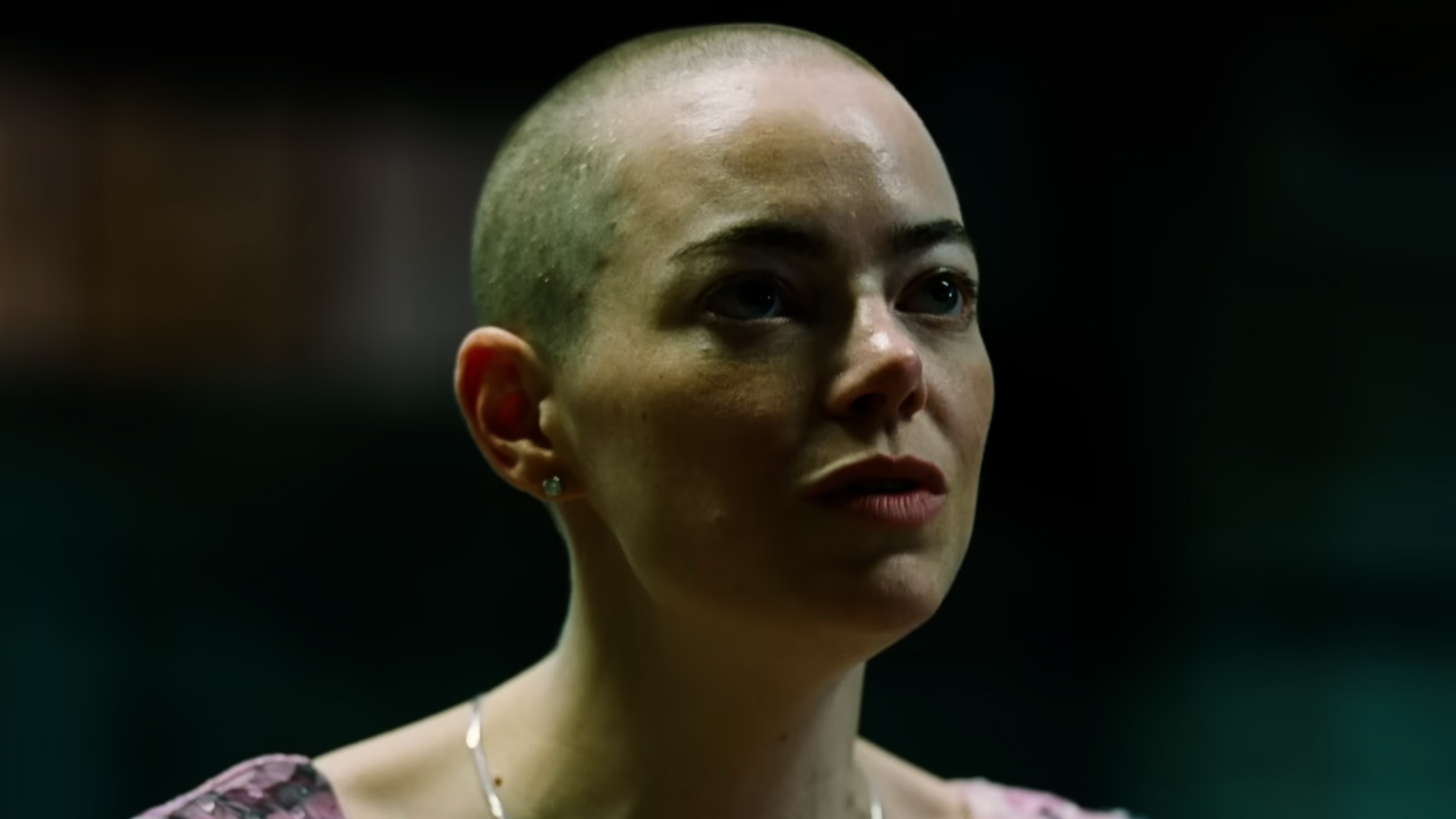
By allowing the background to completely fall away, the audience is encouraged to focus almost entirely on the character.
Small facial expressions become more important.
A glance feels more intense.
A stare can become uncomfortable.
The audience spends less time exploring the environment and more time studying the person.
The result is a sense of intimacy and connection that can be difficult to achieve when the eye is free to wander around the frame.
For me, in my line of corporate filmmaking work, shooting wide open gave me the ability to make a boring room look better, hide messy backgrounds, conceal sensitive information, and direct the viewer's attention exactly where I wanted it.
It also gave me more flexibility in environments where I did not have complete control.
People walking through the background, cluttered offices, unattractive conference rooms, and distracting visual elements all became less of a problem.
By reducing the amount of information visible in the frame, I could simplify the image and focus attention on what mattered most.

Even today, most of my interviews are shot at relatively wide apertures because I still appreciate the ability to isolate a subject and create separation.
But over time, something started to change.
The more interviews, documentaries, and corporate stories I filmed, the more I realized I wasn't just blurring distractions.
Sometimes I was blurring valuable information.
The office that helped explain who someone was.
The manufacturing floor that demonstrated what a company actually did.
The environment that gave a scene a sense of place.
The relationship between people sharing the frame.
I realized that every aperture choice involved a tradeoff.
I gained isolation, but I also lost context.
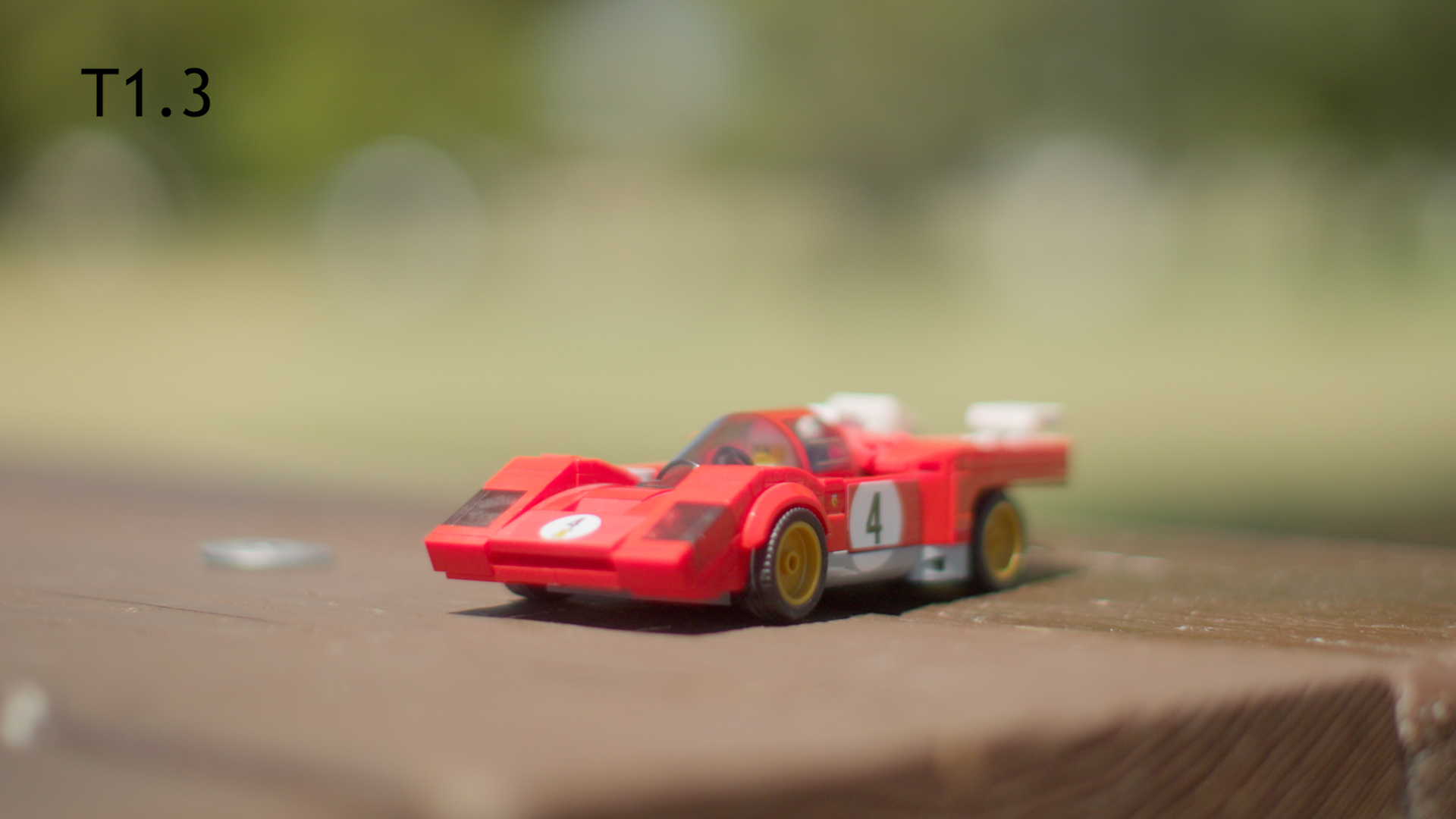
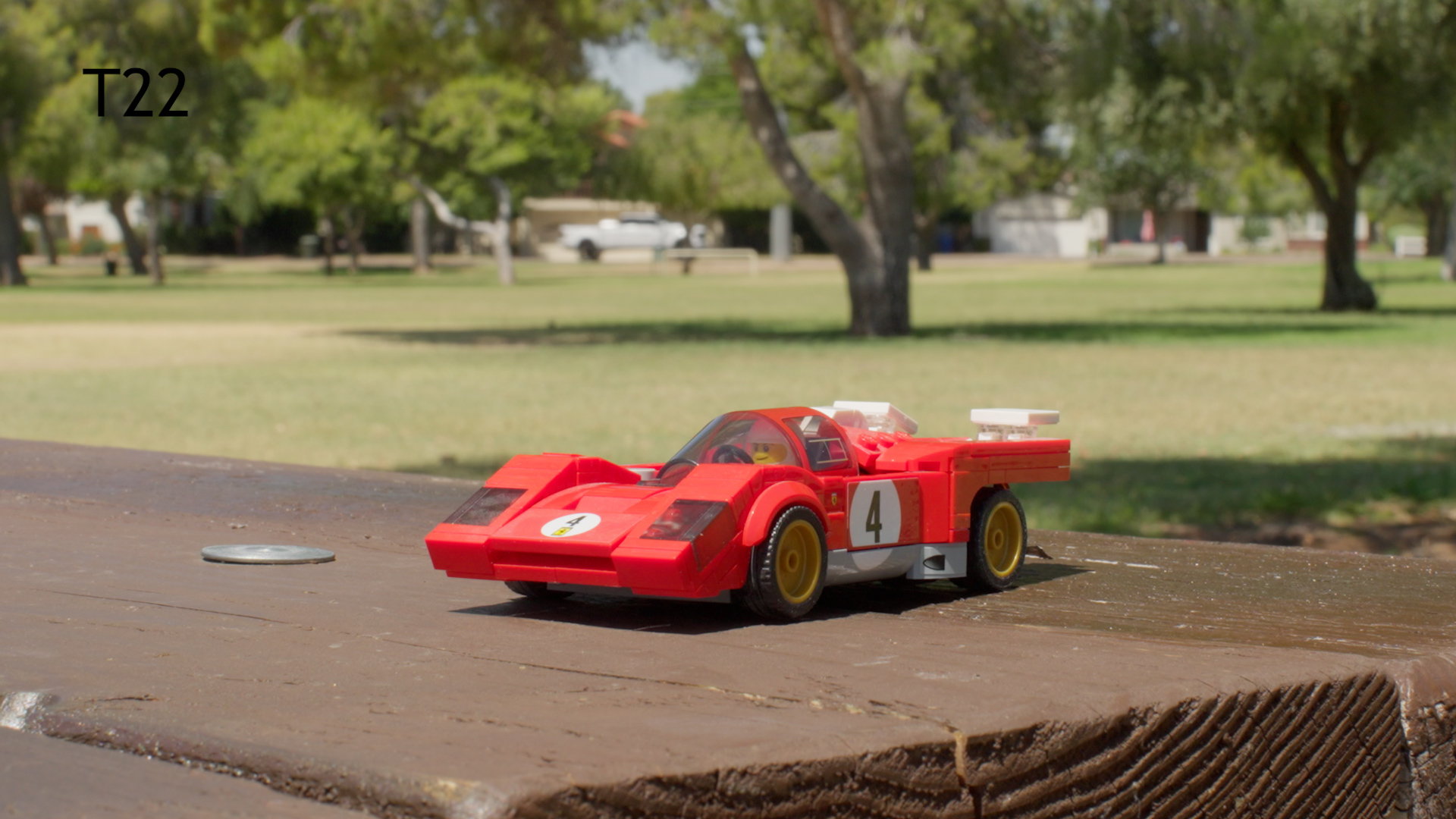
One of the most important lessons corporate filmmakers can learn from narrative filmmaking is that environments communicate information.
In feature films, we readily accept the importance of production design.
The office, the home, the restaurant, the hospital, and the factory all help define the characters occupying those spaces.
The same principle applies to corporate films, documentaries, and even event videography.
A successful executive's office communicates something.
A manufacturing facility communicates something.
A hospital communicates something.
A ranch communicates something.
A restaurant kitchen communicates something.
These environments often tell part of the story before a subject ever says a word.
If those environments help tell the story, removing them comes at a cost.
As filmmakers, we need to ask ourselves a simple question:
Is the environment helping tell the story, or is it distracting from it?
The answer should influence how much of that environment we choose to reveal.
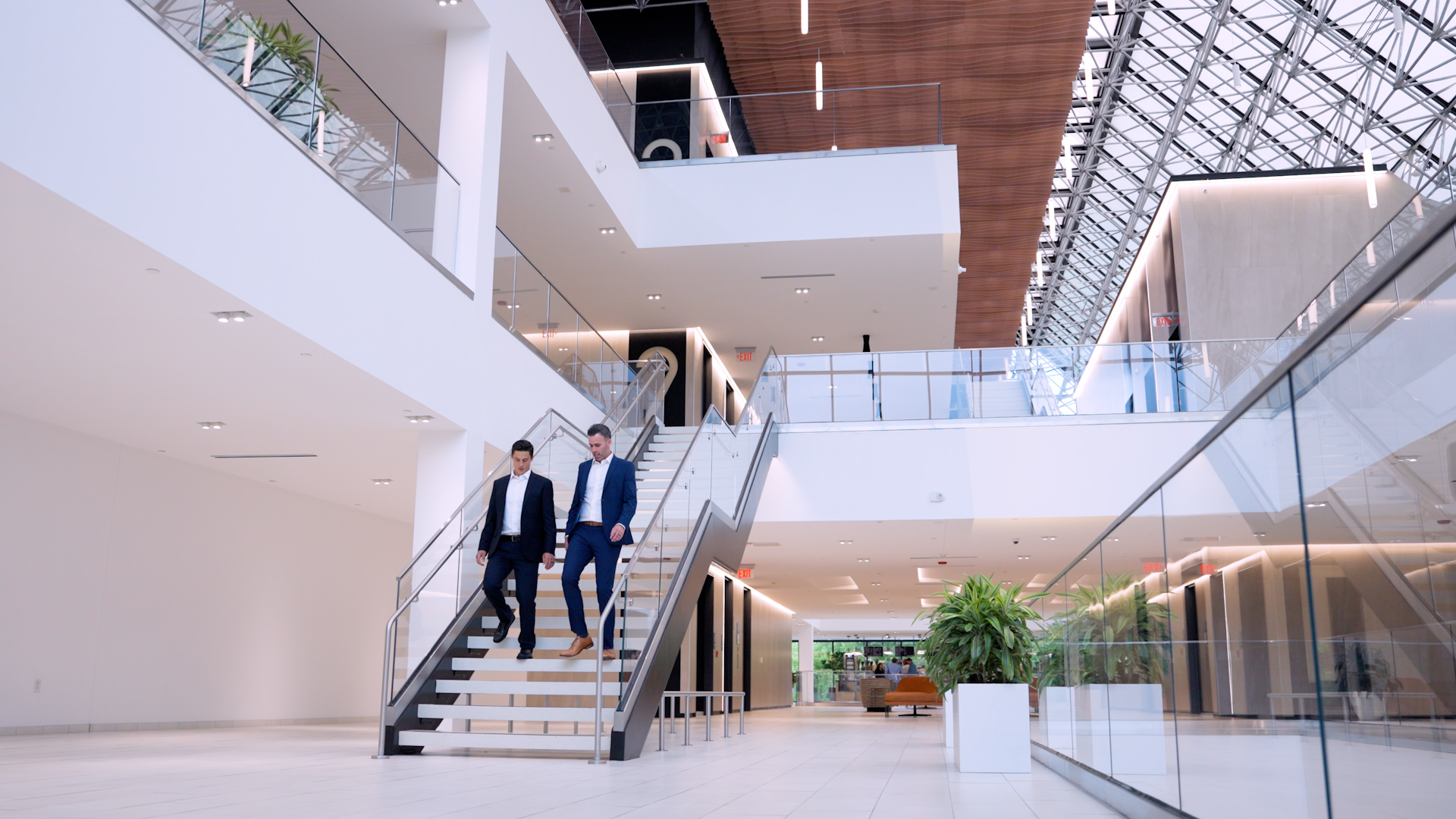
The same idea applies to people.
Depth of field influences more than environmental storytelling. It also influences how we perceive relationships.
With a deeper depth of field, we can show a mentor and a student.
An advisor and a client.
A doctor and a patient.
A CEO and an employee.
Sometimes the story is not a single individual.
Sometimes the story is the connection between two people.
Allowing both subjects to remain visible helps the audience understand those relationships and their significance.
When we isolate a single person, we direct all attention toward that individual.
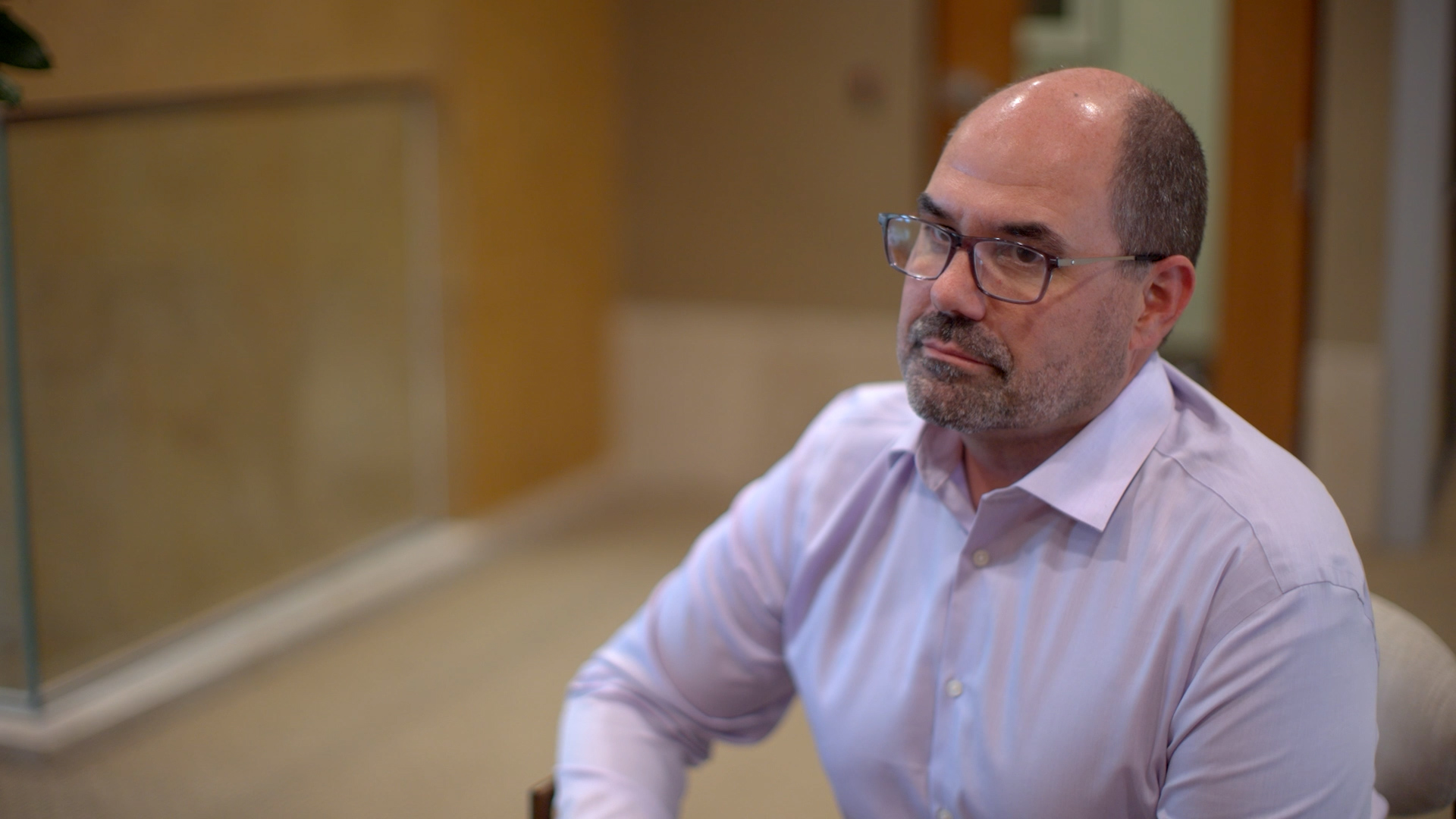
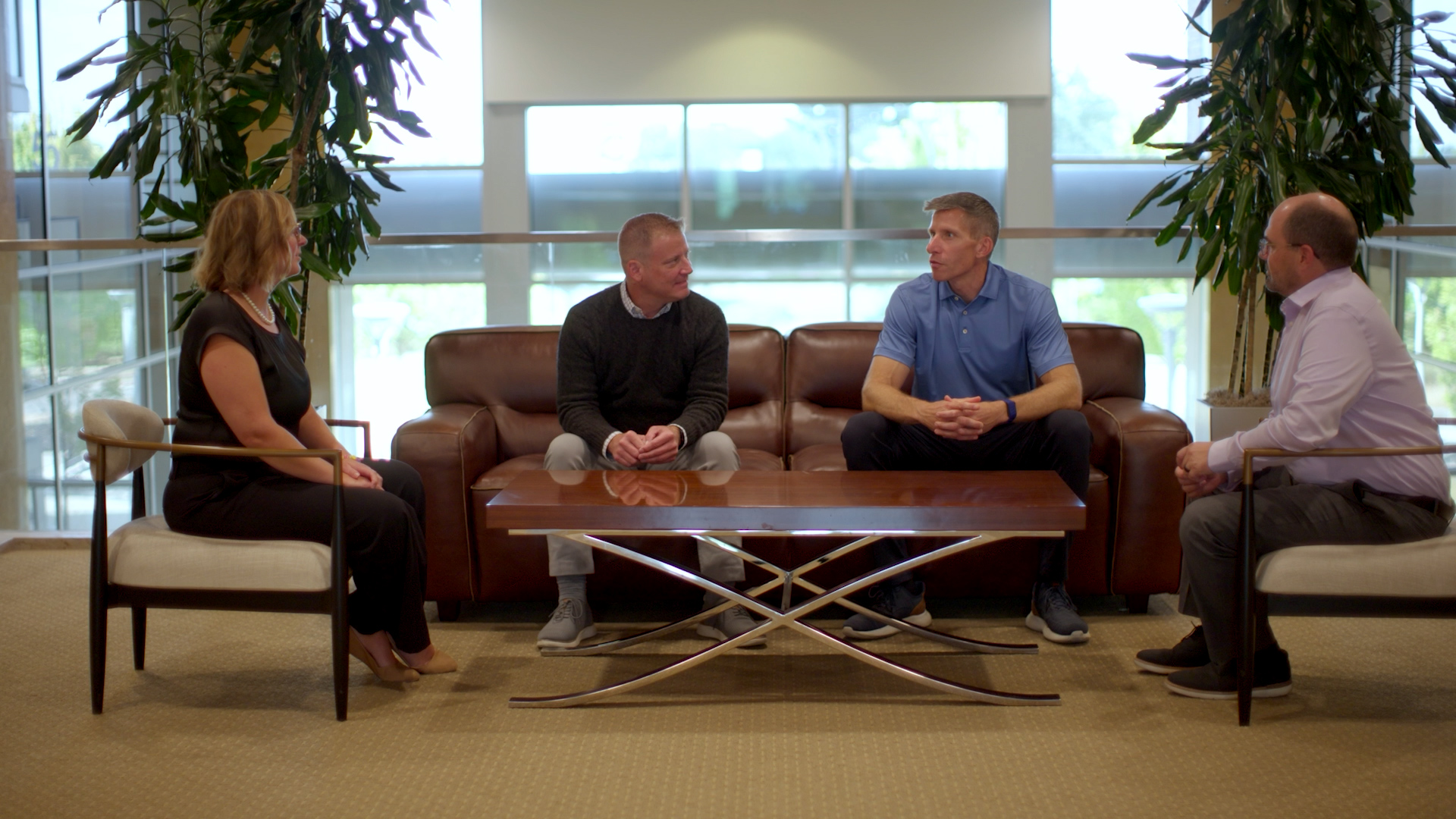
When we reveal the people around them, we begin to tell a different story.
A story about trust.
A story about collaboration.
A story about mentorship.
A story about human connection.
In an era where so many cinematographers advocate for stopping down, I have to admit that I found it refreshing to see a major feature film fully embrace shallow depth of field.
Not because shallow depth of field is inherently better, but because it reminded me that there are very few absolute rules in cinematography.
Every creative choice comes with strengths and weaknesses.
There are moments where isolating a character creates a powerful emotional connection.
There are moments where the environment itself becomes an important part of the story.
There are moments where the relationship between people matters more than either individual.
The challenge is understanding what the story requires and then choosing the appropriate tool.
The Lesson From Bugonia
Watching Bugonia did not convince me that shallow depth of field is always the right choice.
Nor did it convince me that deeper focus is somehow better.
What it reminded me is that depth of field is a creative decision.
Every aperture choice determines how much information the audience receives.
Every aperture choice determines what remains hidden.
As filmmakers, we often think of aperture as an exposure control.
We open up when we need more light.
We stop down when we have too much.
But aperture is one of the most powerful storytelling tools available to us.
The goal is not to shoot at F2 because it looks cinematic.
The goal is not to shoot at F11 because everything remains sharp.
The goal is to decide what the image needs to communicate and then use the tools available to create that image.
As filmmakers, our responsibility is not simply to accept the conditions in front of us.
It is to make intentional creative decisions.
Not to shoot at F11 because the environment forced us to.
Not to shoot at F2.8 because that's what everyone else is doing.
But to choose an aperture because it supports the story we are trying to tell.
The next time you are choosing an aperture, don't just ask yourself if the exposure is correct.
Ask yourself what you are trying to communicate.
Ask yourself how much of the story you want your audience to see.
Because depth of field isn't simply about making a background blurry.
It's about deciding what information belongs in the frame.
If you'd like to learn more about camera settings, exposure, visual storytelling, and creating more intentional images, be sure to check out my online course, Essential Camera Settings.
by Chris Tinard © cNOMADIC 2026
Learn more about cNOMADIC's cinematography philosophy and training at cNOMADIC.com