
Stop chasing “correct” exposure
Apr 27, 2026The Real Power of a Light Meter: Placing Exposure with Intention
Why This Matters More Than You Think
Most conversations around exposure focus on getting it “right.” Dial in your settings, match your tools, and you should be good to go. But if you’ve ever looked at your footage and thought, “this is technically correct, but something feels off,” you’ve already experienced the limitation of that mindset.
The problem is not your settings. The problem is how you’re thinking about exposure.
A light meter doesn’t exist to give you the right answer. It exists to give you a reference point. What you do with that reference is where the image is actually created.
Exposure Is a Range, Not a Number
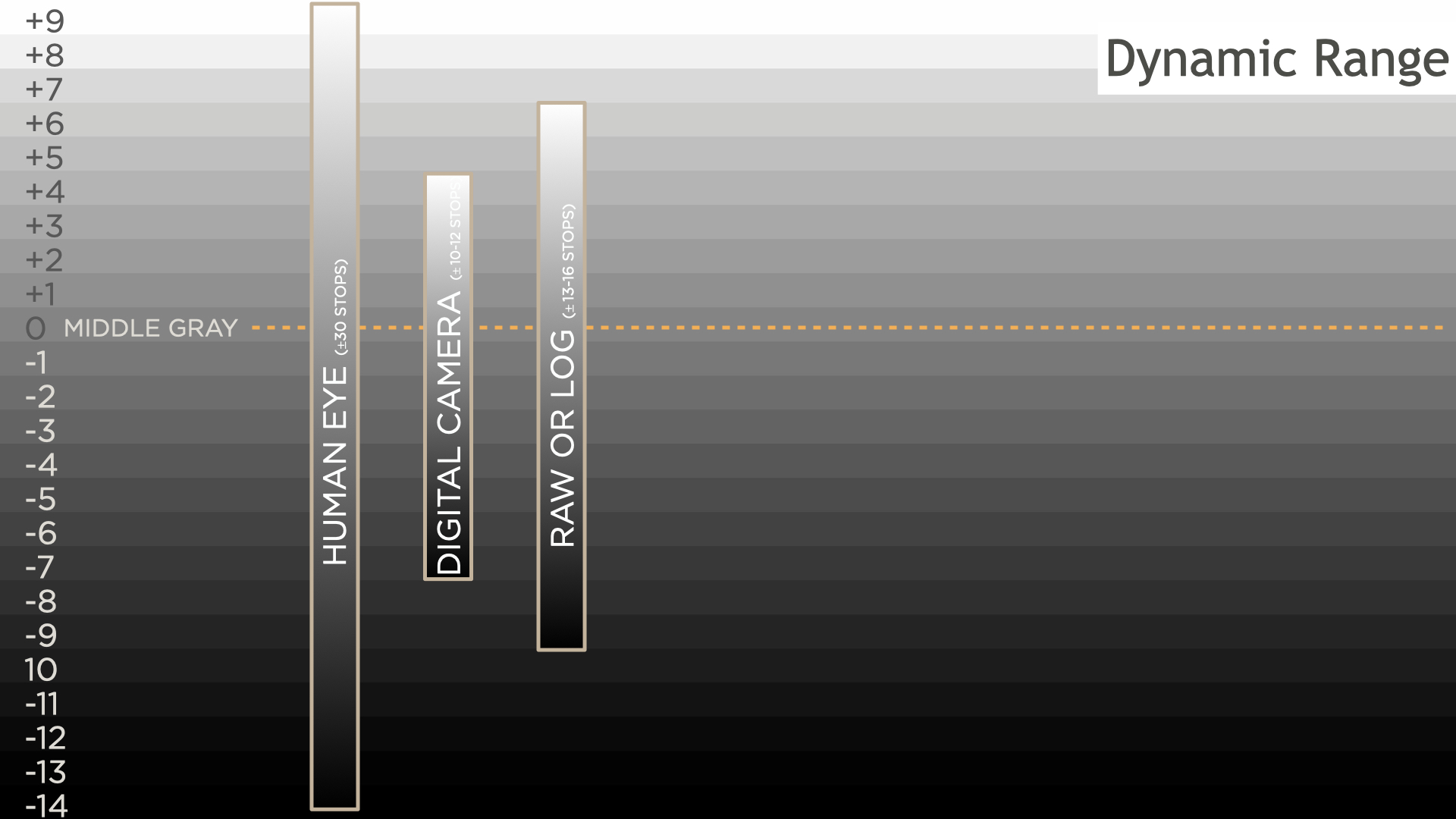
Your camera doesn’t capture a single exposure. It captures a range. Highlights, midtones, shadows, all existing within the limits of your sensor.
On cameras like the Sony FX6 or FX3 at base ISO, you’re working with a dynamic range that gives you multiple stops above and below middle gray. That means every part of your image has a position.
Stops vs IRE: The Language of Cinematographers explains how to translate those monitor values into repeatable relationships between highlights, midtones, and shadows.
The key shift is this:
Exposure is not about finding a number. It’s about deciding where things belong.
What a Light Meter Actually Does
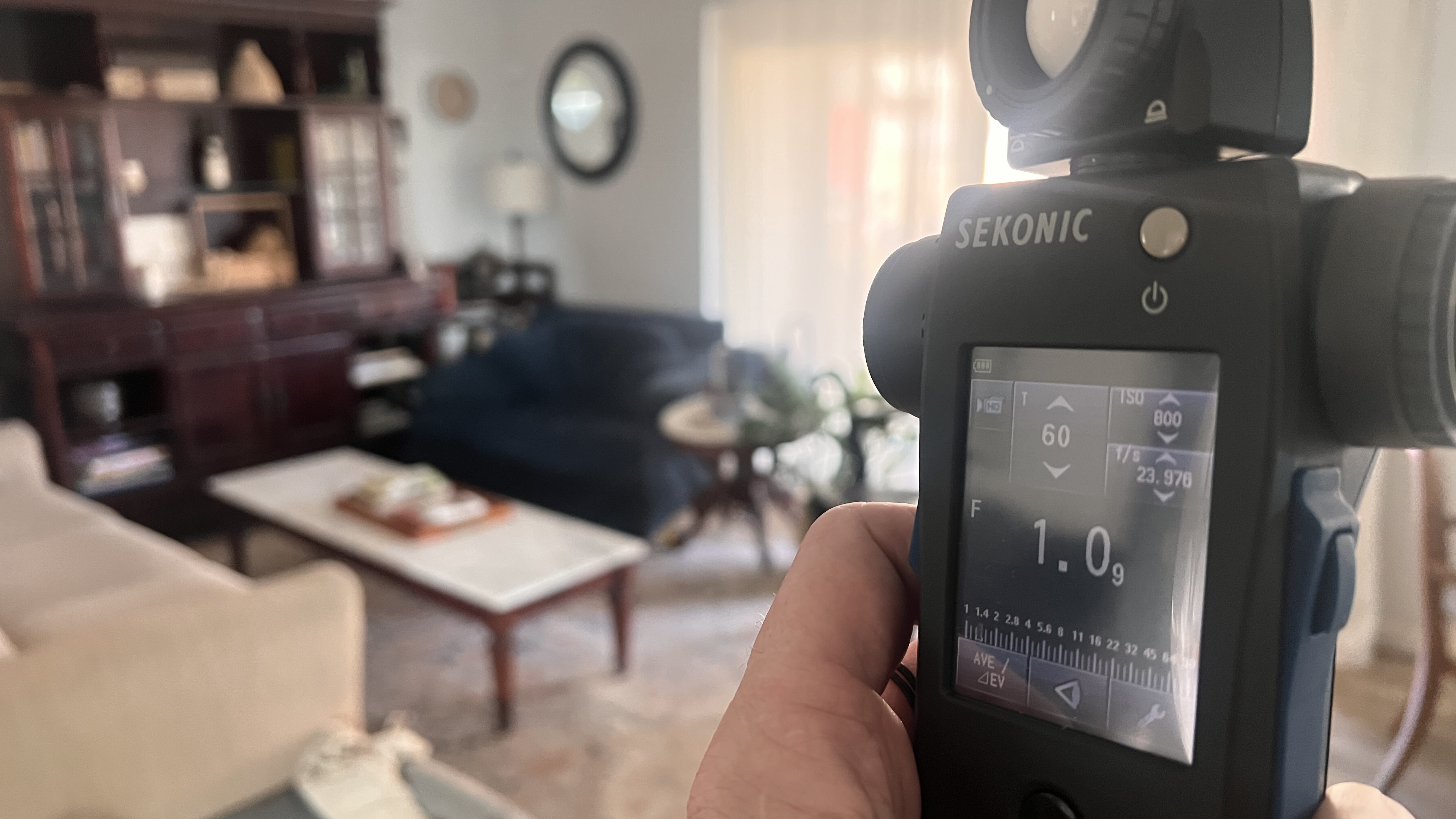
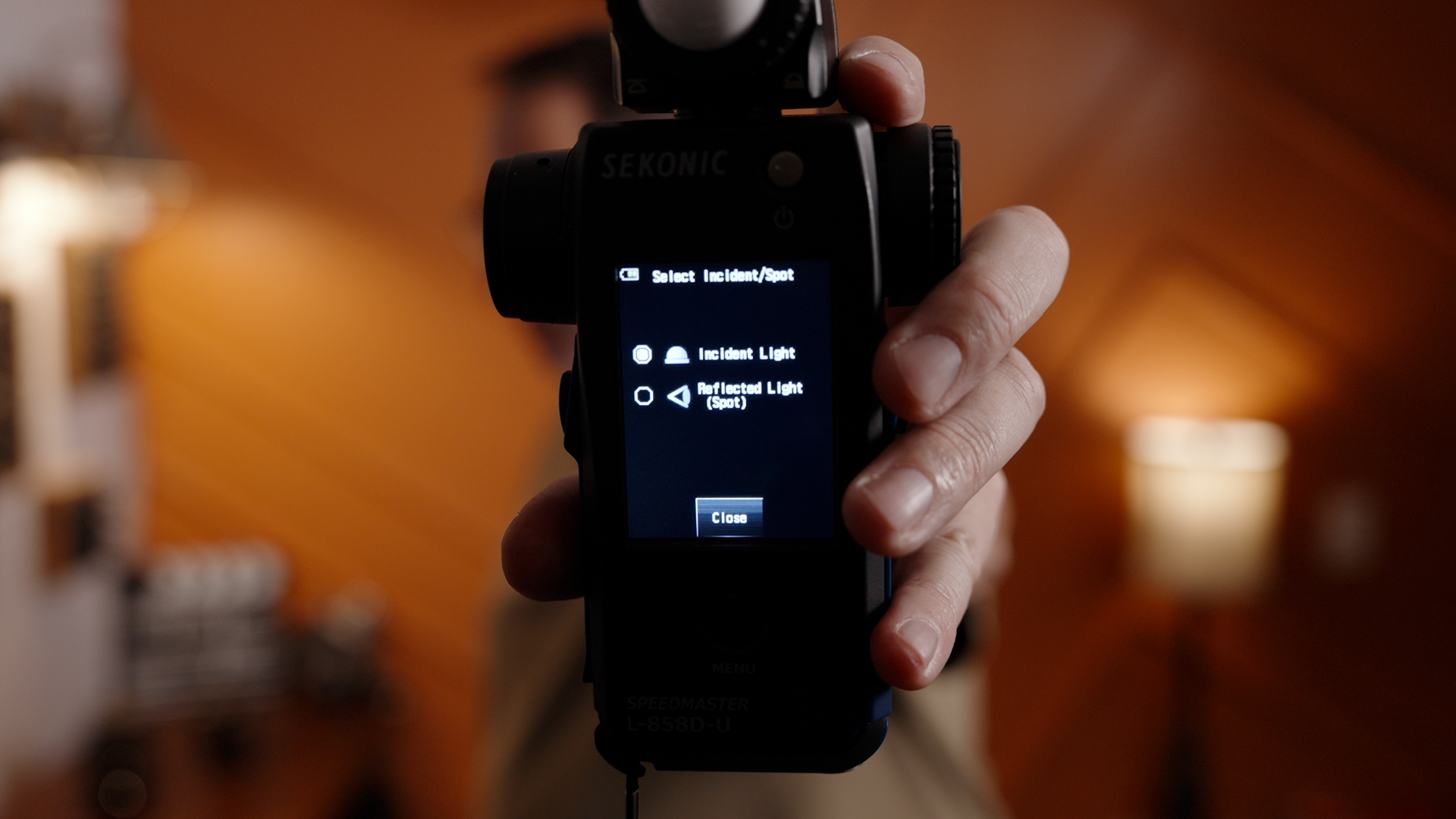
At its core, a light meter measures light and tells you what aperture would place that reading at middle gray. That’s it.
It doesn’t know your intention. It doesn’t know your scene. It doesn’t know what should be bright or dark.
It simply tells you where something currently sits.
Once you understand that, everything changes. Because now you can start using the meter to place elements intentionally instead of chasing a “correct” exposure.
Incident vs Reflected Light (And Why It Matters)
There are two primary ways to measure light: incident and reflected.
- Incident light measures how much light is hitting a subject.
- Reflected light measures how much light is bouncing off that subject into the camera.
For cinematography, reflected light often becomes more relevant because it represents what the camera actually sees. Different materials reflect light differently, and that affects how they appear on screen.
If you only measure incoming light, you’re missing part of the equation.
Middle Gray Is Your Anchor
Everything revolves around middle gray. It’s not an abstract concept, it’s a real reference point, typically based on an 18% reflectance value.
When your meter gives you a reading, it’s telling you how to expose that area so it becomes middle gray. From there, you can decide if you want it brighter, darker, or exactly at that reference.
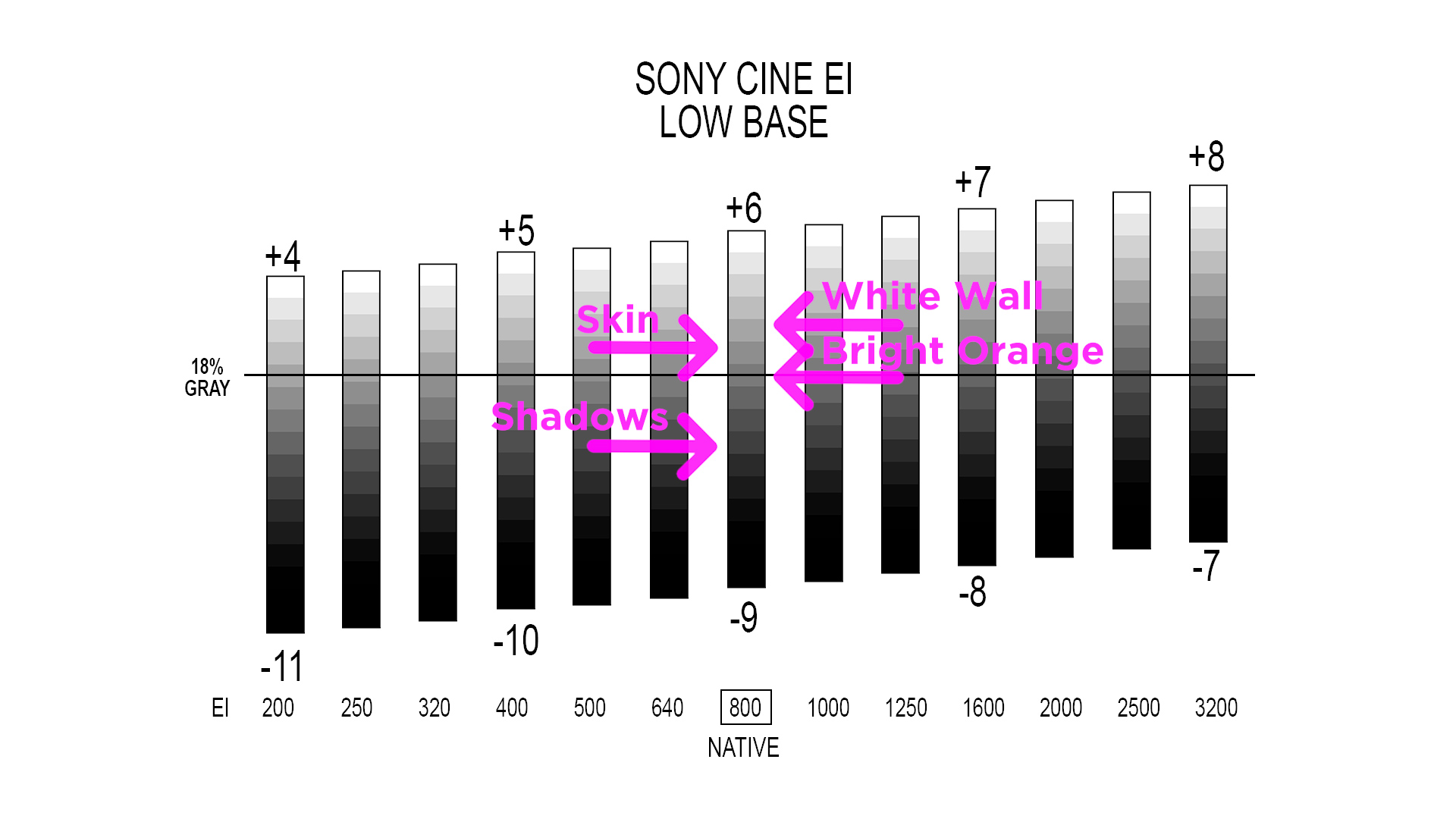
If you shoot in Cine EI, that same anchor helps you understand what changes when you rate the camera above or below its base. See Exposure Index Explained for the full tradeoff.
This is where intention comes in.
Building an Image from Nothing
One of the most effective ways to understand this is to start from a blank canvas. Turn everything off. No light, no exposure, no decisions.
Then begin building your scene step by step.
- Place your subject, maybe one stop above middle gray.
- Decide where your background sits, perhaps at middle gray or slightly below.
- Control your highlights so they feel bright but not clipped.
- Shape your shadows so they add depth without introducing noise.
Every adjustment is a decision about placement.
Contrast Is a Choice
When you measure different parts of your image, you start to see relationships. Your subject might be one stop above middle gray, your background one stop below, your highlights two stops above.
Those differences define contrast.
And contrast is not something that just happens. It’s something you design.
By measuring and comparing these values, you gain control over how the image feels, not just how it looks.
Avoiding the Common Trap
The biggest mistake is assuming that once your subject is “properly exposed,” you’re done.
In reality, that’s just the starting point.
If you don’t actively decide where the rest of your image sits, it will default somewhere in the middle. And that’s when images start to feel flat or unintentional.
The difference between a good image and a great one often comes down to these small, deliberate placement decisions.
Why This Changes Everything
Once you stop thinking in terms of correct exposure and start thinking in terms of placement, the light meter becomes a completely different tool.
It’s no longer about getting a number right. It’s about building an image with precision.
You’re no longer reacting to light. You’re shaping it.
Final Thoughts
A light meter doesn’t make creative decisions for you. It gives you the information you need to make them yourself.
And that’s where the real control comes from.
If you want to turn these exposure decisions into a repeatable camera workflow, explore Essential Camera Settings.
Place exposure with intention
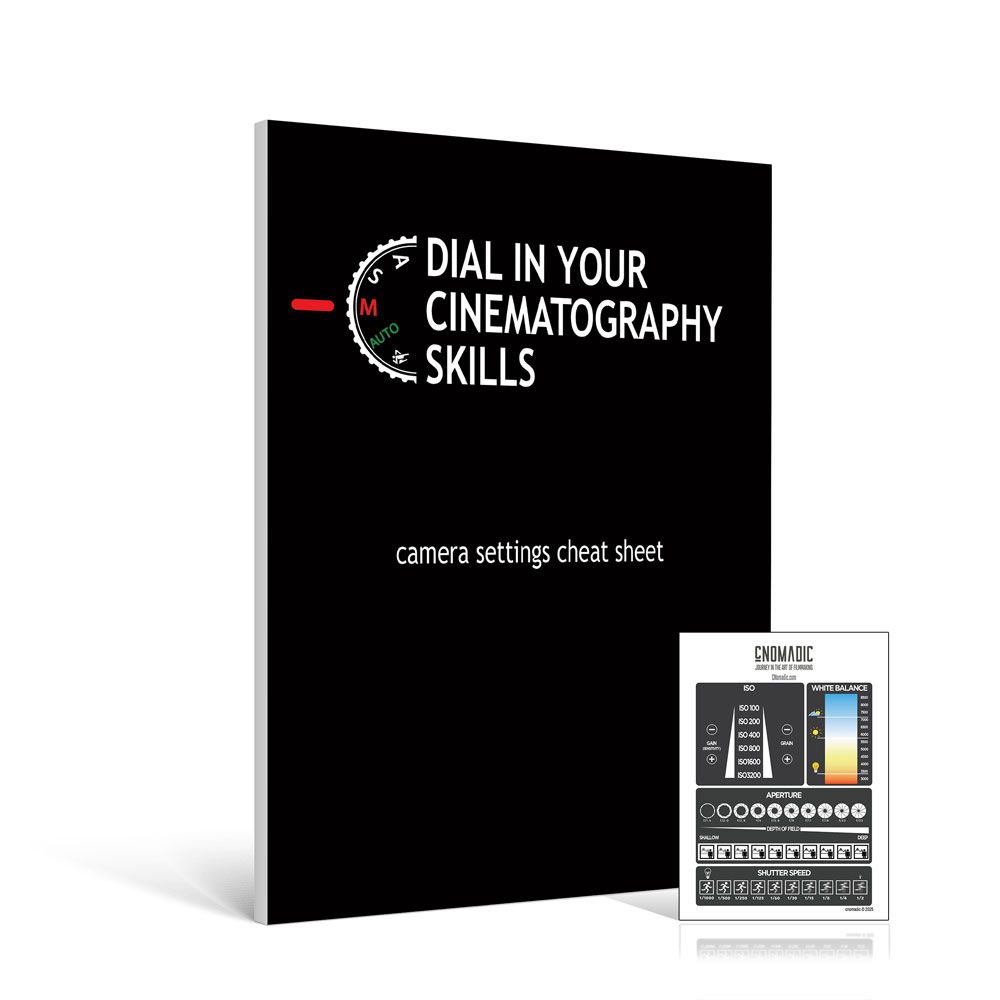
Download the free cNOMADIC Placing Your Exposure guide—a practical reference for dynamic range, ND, waveforms, false color, stops, and IRE.
by Chris Tinard ©️ cNOMADIC 2026
To learn more about cNOMADIC's online cinematography course, visit cNOMADIC.com