
How to Make Practical Lights Look Cinematic
Jun 12, 2026Use This Hollywood Trick to Make Practical Lights Look Cinematic
The secret is not making practical lights brighter. It is making everything else darker.
One of the most common mistakes cinematographers make when working with practical lights is assuming the practical itself is the problem.
A lamp feels too dim. A pendant light does not stand out. A practical disappears into the scene.
So the instinct is to replace the bulb, add more output, or find a brighter fixture.
But if you study enough films, you begin to notice something interesting.
The practicals are often not exceptionally bright.
The environment around them is exceptionally dark.
That distinction changes everything.
In this breakdown, we are looking at how practical lights are used throughout One Battle After Another and how the same technique can be applied to interviews, corporate films, documentaries, and narrative work.
The principle is simple:
Lower the overall exposure of the scene until the practical becomes important.
Once you understand this concept, practical lights stop becoming decoration and start becoming a storytelling tool.
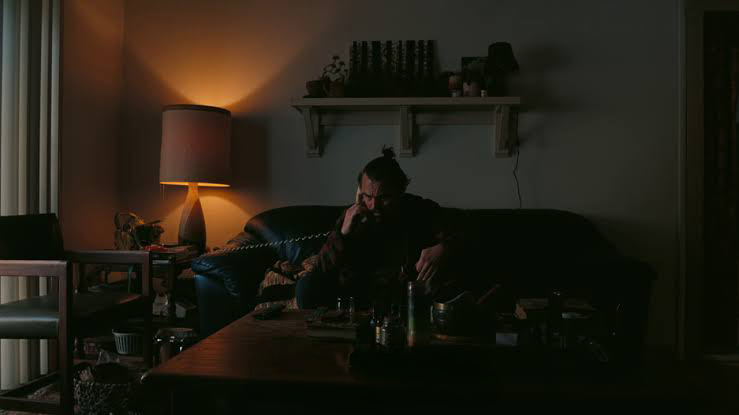
Practical lights only work when they are allowed to matter
Look at many contemporary films and you will notice how often practical fixtures become the brightest element in the frame.
Table lamps, hanging pendants, neon signs, store lighting, phone booths, and streetlights frequently become visual anchors that guide the audience's eye.
What makes those practicals feel cinematic is not their brightness alone.
It is the relationship between the practical and everything around it.
When the environment is bright, practicals lose their influence. They become background details.
When the environment is darker, practicals gain visual weight and begin shaping the mood of the image.
The lamp in this frame feels significant because the room surrounding it has been allowed to fall into darkness.
The practical becomes part of the story.
That idea appears repeatedly throughout the film.
The grocery store scene reveals the technique
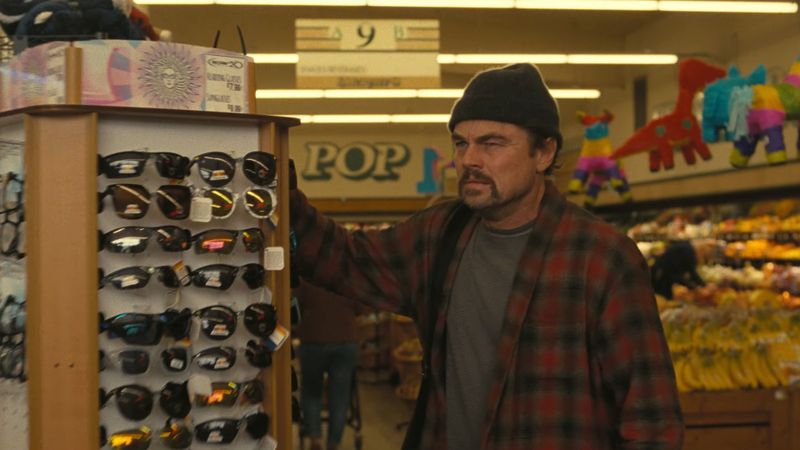
One of the most revealing examples appears inside a grocery store.
At first glance the scene feels naturally lit. The fluorescent fixtures appear to be doing all the work.
But if you study the frame carefully, something becomes obvious.
The space between the fixtures is surprisingly dark.
The filmmakers are not trying to maximize exposure throughout the entire store. They are selectively allowing areas to fall into shadow so the practical lighting becomes more dominant.
This is one of the reasons the scene feels cinematic rather than simply well exposed.
Many beginning cinematographers chase visibility. They want to see every detail.
Hollywood often does the opposite.
Instead of raising the shadows, they lower the environment and allow practical sources to become visual points of interest.
The result is greater contrast, stronger mood, and more intentional visual hierarchy.
Mixed color temperatures create separation
Another technique used throughout the film is embracing mixed color temperatures.
In one sequence, warm interior practicals coexist with cool daylight entering from outside.
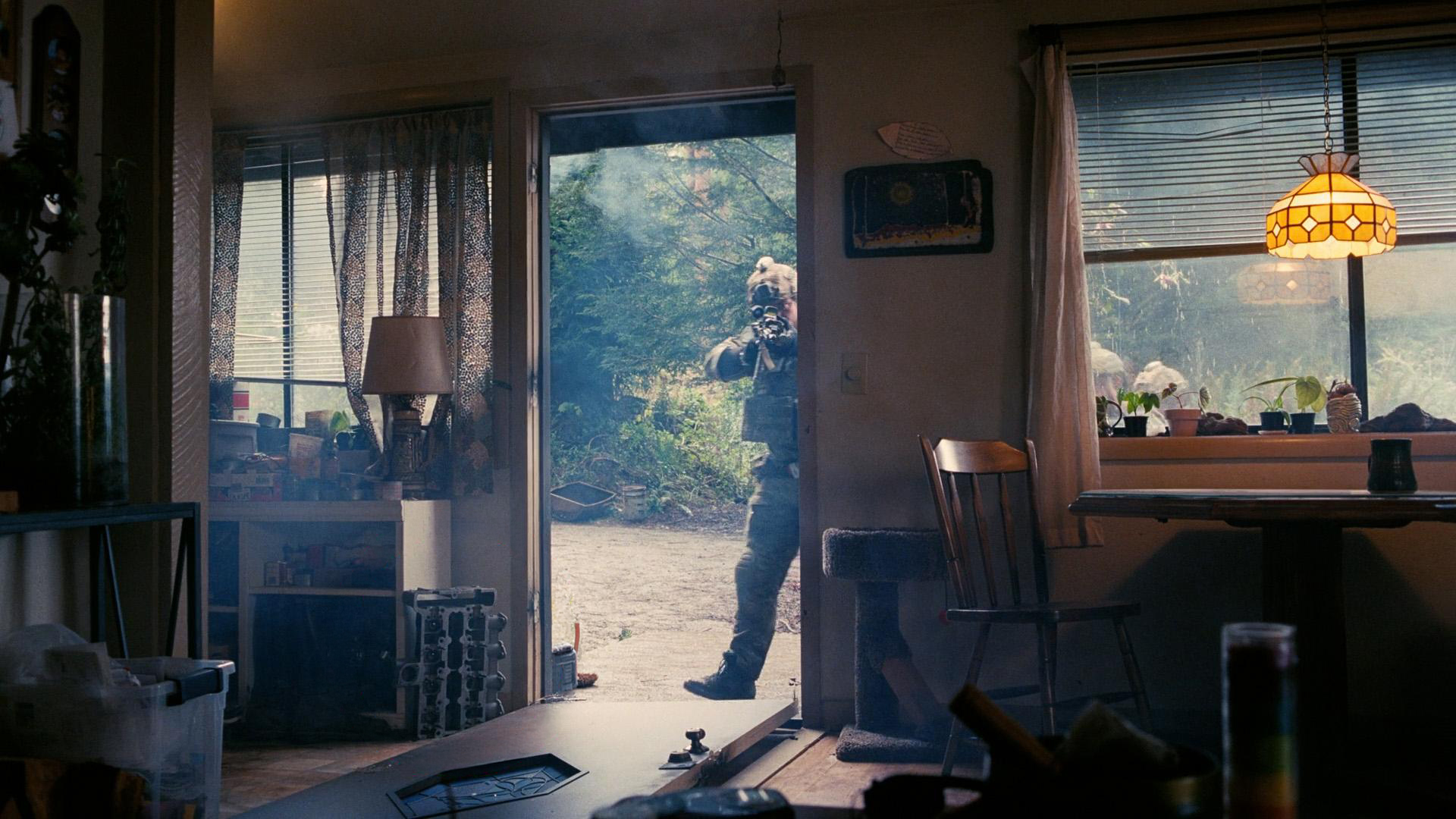
Today many cinematographers would adjust white balance to neutralize the difference.
But this film was shot on film stock, meaning the color relationships were largely determined by the stock selection itself.
The filmmakers embraced the contrast between warm tungsten practicals and cool exterior daylight.
The warm practicals immediately feel inviting, intimate, and human.
The cool exterior environment feels distant and separate.
Color becomes another layer of storytelling.
Practical lights are not simply providing illumination. They are helping establish emotional tone.
The practical demonstration
To demonstrate this technique, I built a simple kitchen scene around a single hanging practical light.
The goal was not to create a perfect cinematic image immediately. The goal was to walk through the same thought process cinematographers use when practical lights need to become part of the image.
I started with a well-exposed room.
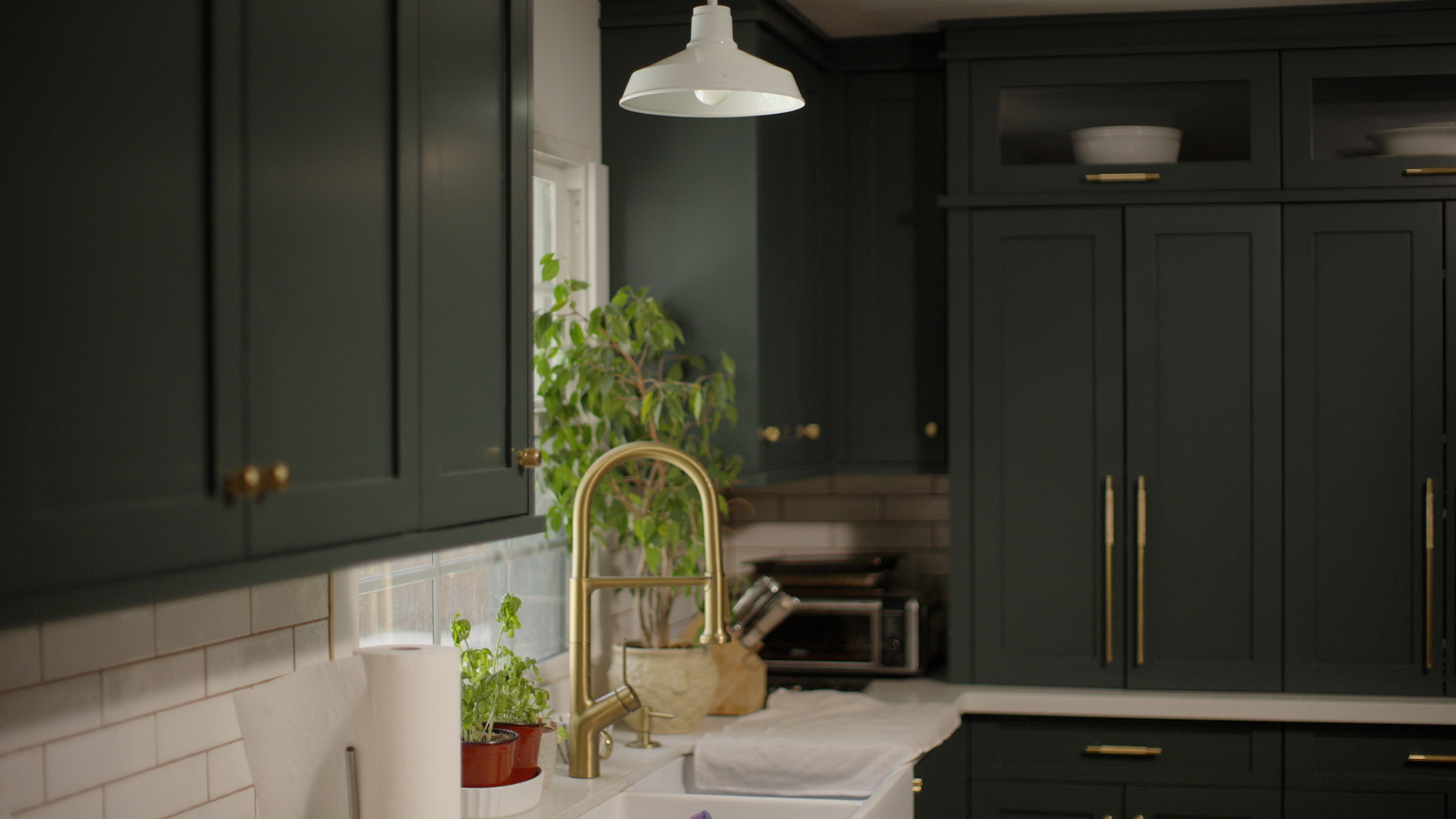
Everything is visible. The room feels bright. The cabinets, countertops, and background details are all easy to see.
From a technical perspective, the exposure is perfectly acceptable.
From a storytelling perspective, the practical light has almost no influence on the image.
The fixture exists, but it does not matter.
This is where many practical-light setups begin.
When the room is exposed normally, the practical becomes just another object inside the frame.
It does not shape mood, direct attention, or create atmosphere.
Why brighter bulbs usually do not solve the problem
The next instinct is often to turn the practical on and hope it becomes more noticeable.
But look what happens.
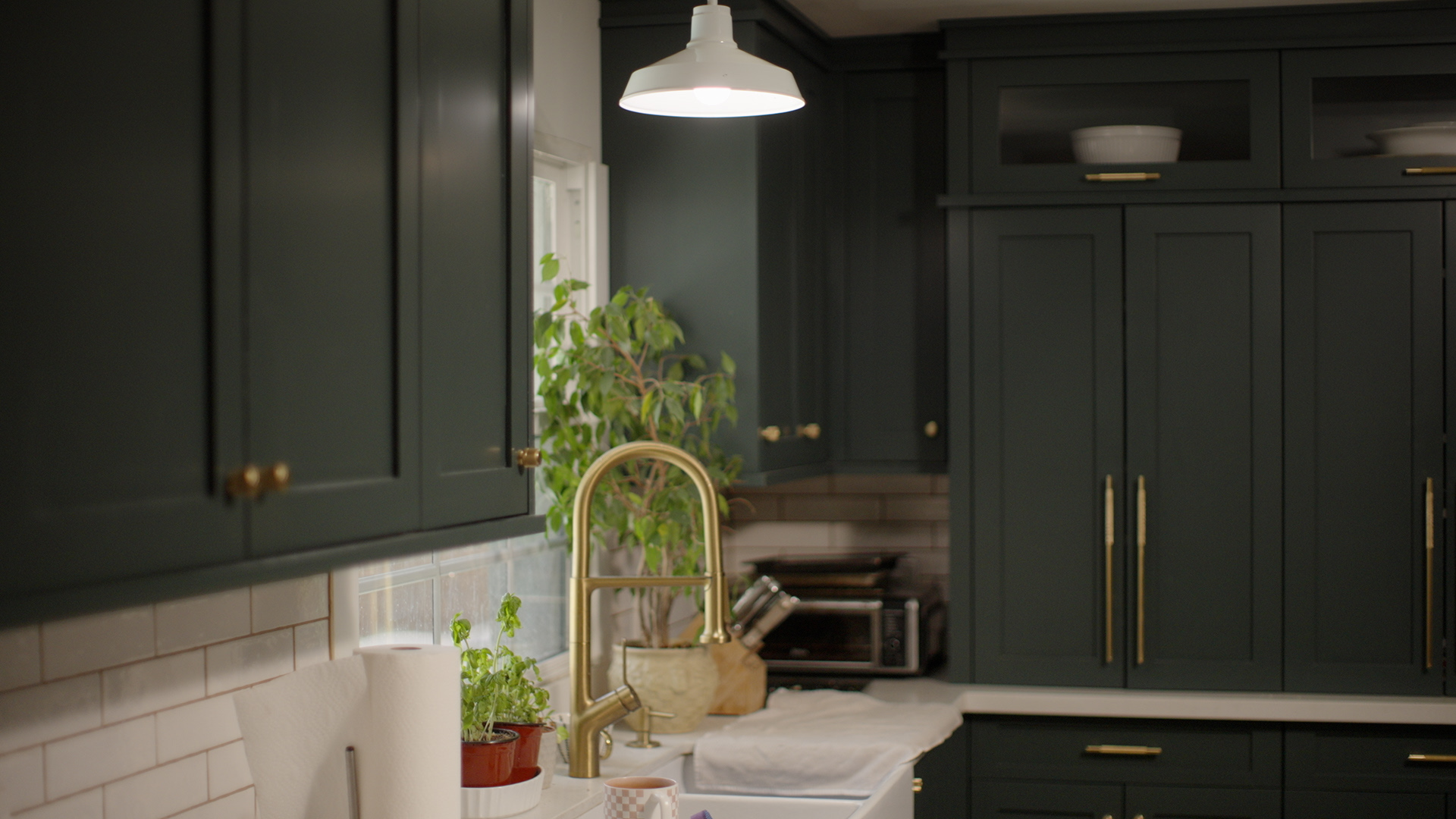
Even with the practical illuminated, the room is still dominated by daylight entering through the window.
The fixture technically emits light, but visually it contributes very little.
In fact, if you were not paying attention, you might not even notice the practical had been turned on.
This illustrates the core problem.
The practical is competing against a room that is simply too bright.
Increasing the bulb output alone will not fundamentally change the relationship.
The room itself must become darker.
Lowering the levels
This is the moment where the Hollywood approach begins.
Instead of making the practical brighter, I reduced the overall ambient exposure using ND gel on the windows.
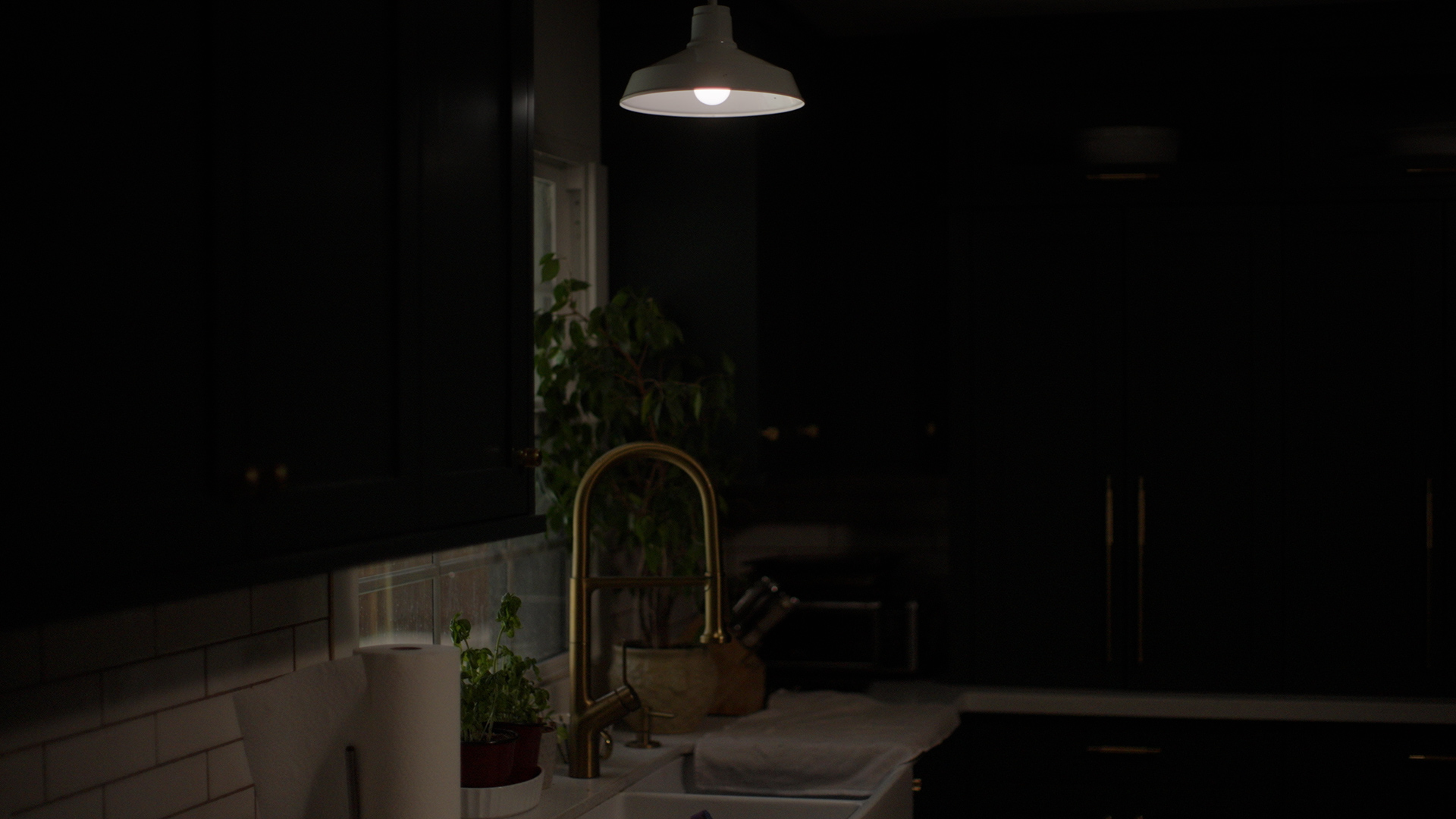
The practical has not changed.
The room has.
Immediately the fixture gains importance because the environment surrounding it is no longer competing for attention.
The image begins moving toward the visual language we see in narrative filmmaking.
The shadows become richer.
The practical becomes a visual anchor.
The room begins to feel motivated by the fixture rather than simply illuminated by daylight.
This is the same principle used throughout countless films.
Lower the ambient level. Let the practical matter.
Once the practical works, the subject disappears
Of course, lowering the room creates a new problem.
The practical now feels cinematic, but the subject becomes underexposed.
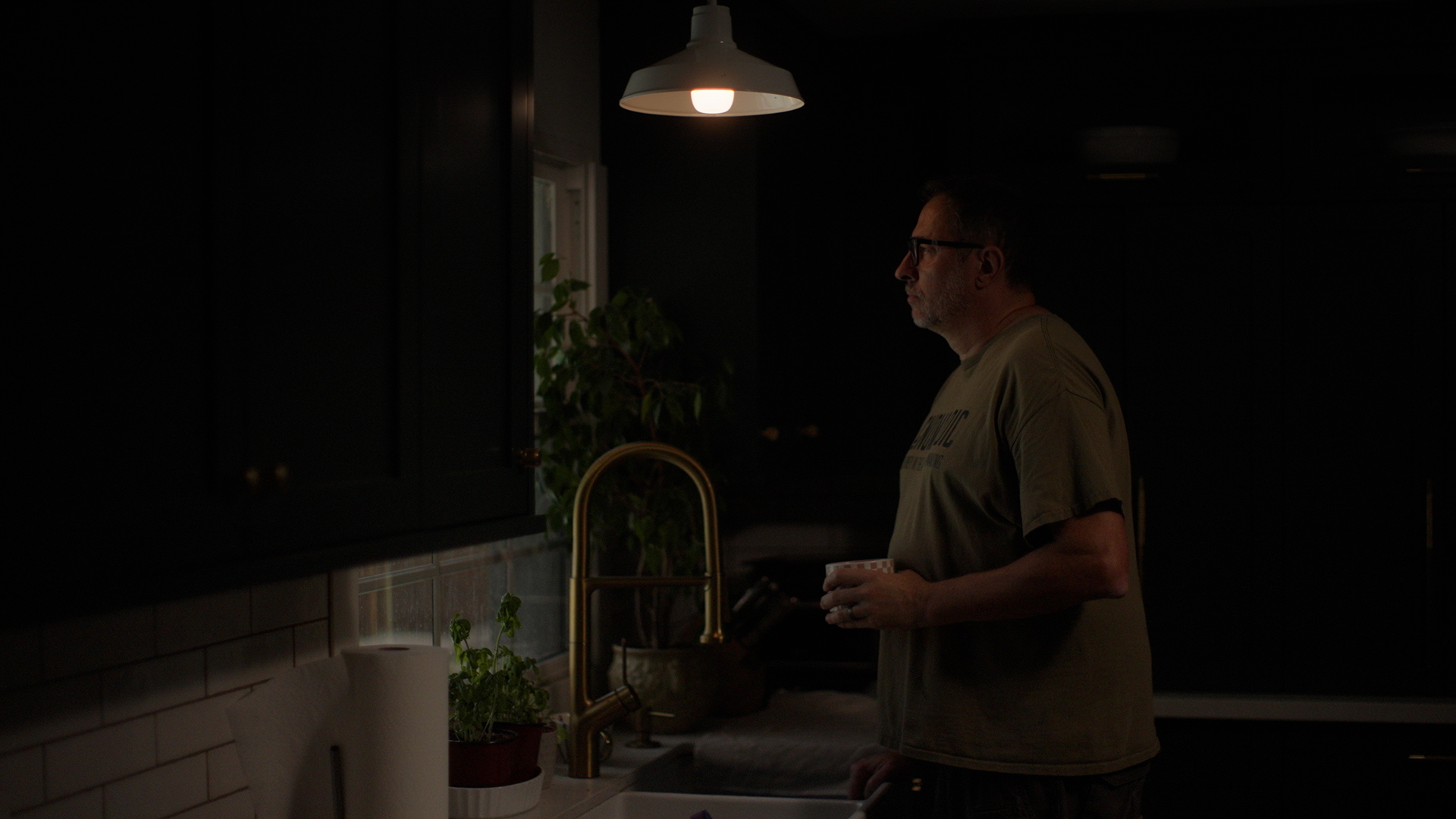
This is where many cinematographers get stuck.
They lower the environment successfully, but then raise the entire exposure again because the subject is too dark.
Doing so immediately destroys the mood they just created.
Instead, the solution is selective lighting.
Rather than raising the whole room, we only raise the areas that matter.
The practical remains dominant while the subject receives just enough additional illumination to separate from the shadows.
Adding levels back selectively
To bring exposure back to the subject, I positioned an Amaran 360c outside the window.
This allowed me to increase the level on the face while preserving the darker overall environment.
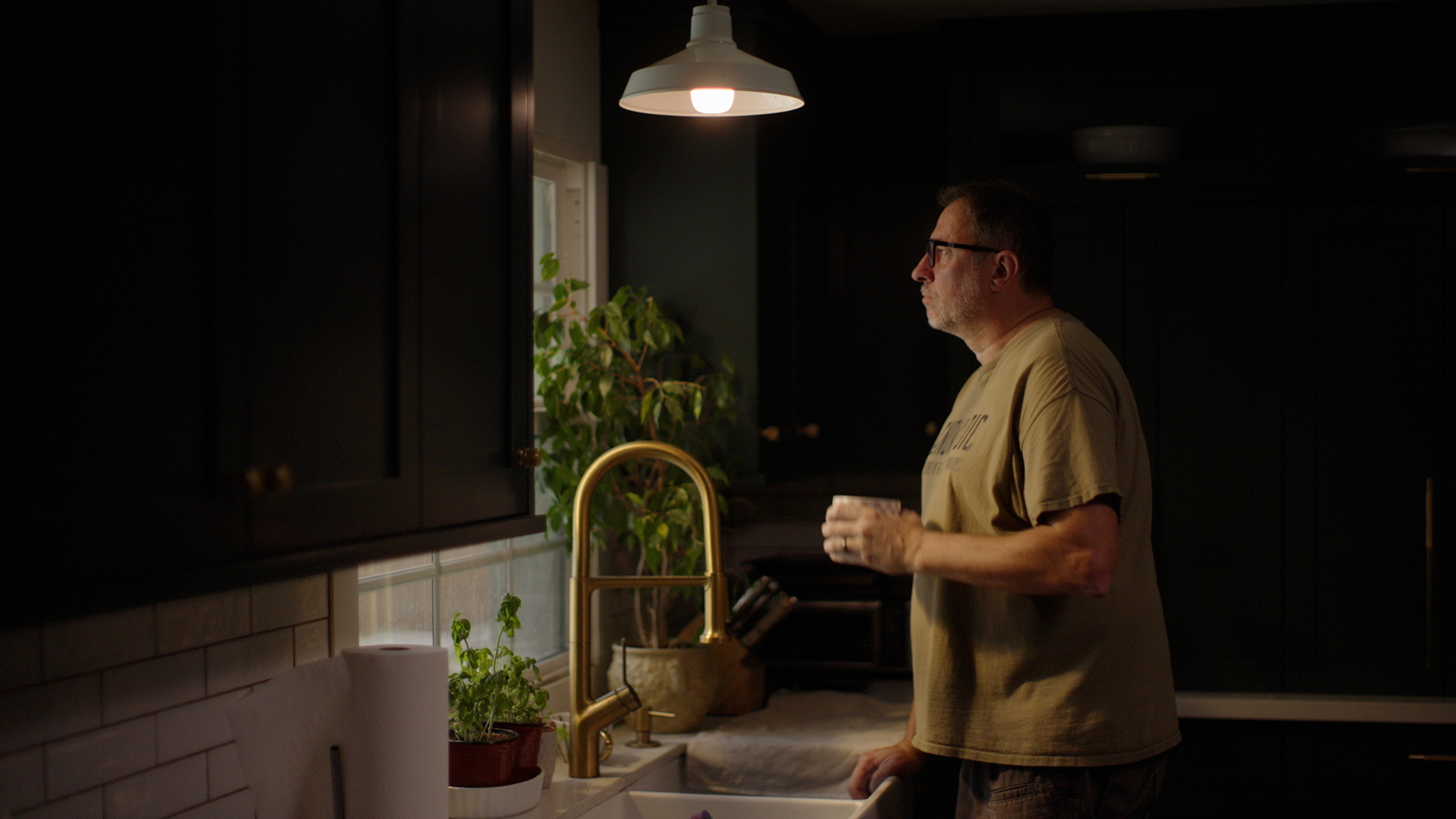
The difference is significant.
The practical still feels important.
The room remains dark.
But now the subject has enough exposure to become the focal point of the image.
This is often the hidden step behind cinematic practical-light scenes.
The room is lowered first.
Then exposure is added back selectively and intentionally.
The result feels natural because the practical remains believable, yet the audience can still clearly see the subject.
Using color temperature to amplify the practical
Exposure is only part of the equation.
Color temperature plays a major role in how practical lights are perceived.
Once the room had been lowered and the practical began to stand out, the next step was creating a stronger color relationship between the practical and the rest of the environment.
In my test, the original bulb above the sink was approximately 5000 Kelvin, which is very close to daylight. As a result, it did not feel particularly warm or inviting.
By replacing it with an Aputure practical bulb and adjusting both the bulb and camera white balance, I was able to create a stronger separation between the practical and the daylight entering through the window.
This is similar to what we observed in One Battle After Another. The practicals do not simply stand out because they are bright. They stand out because they occupy a different color space than the surrounding environment.
Warm practicals against cool daylight create contrast.
That contrast creates mood.
And mood is often what people are really responding to when they describe an image as cinematic.
Motivated lighting versus practical lighting
One of the most important concepts to understand is that practicals rarely do all the work themselves.
In many films, the practical is not actually providing enough light to illuminate the subject.
Instead, the practical motivates additional lighting.
The audience sees the lamp and accepts that the lamp is the source of illumination, even though hidden lights may be contributing significantly more exposure.
The practical creates the logic.
The supporting lights make that logic photograph well.
This is exactly what happens in the phone booth scene.
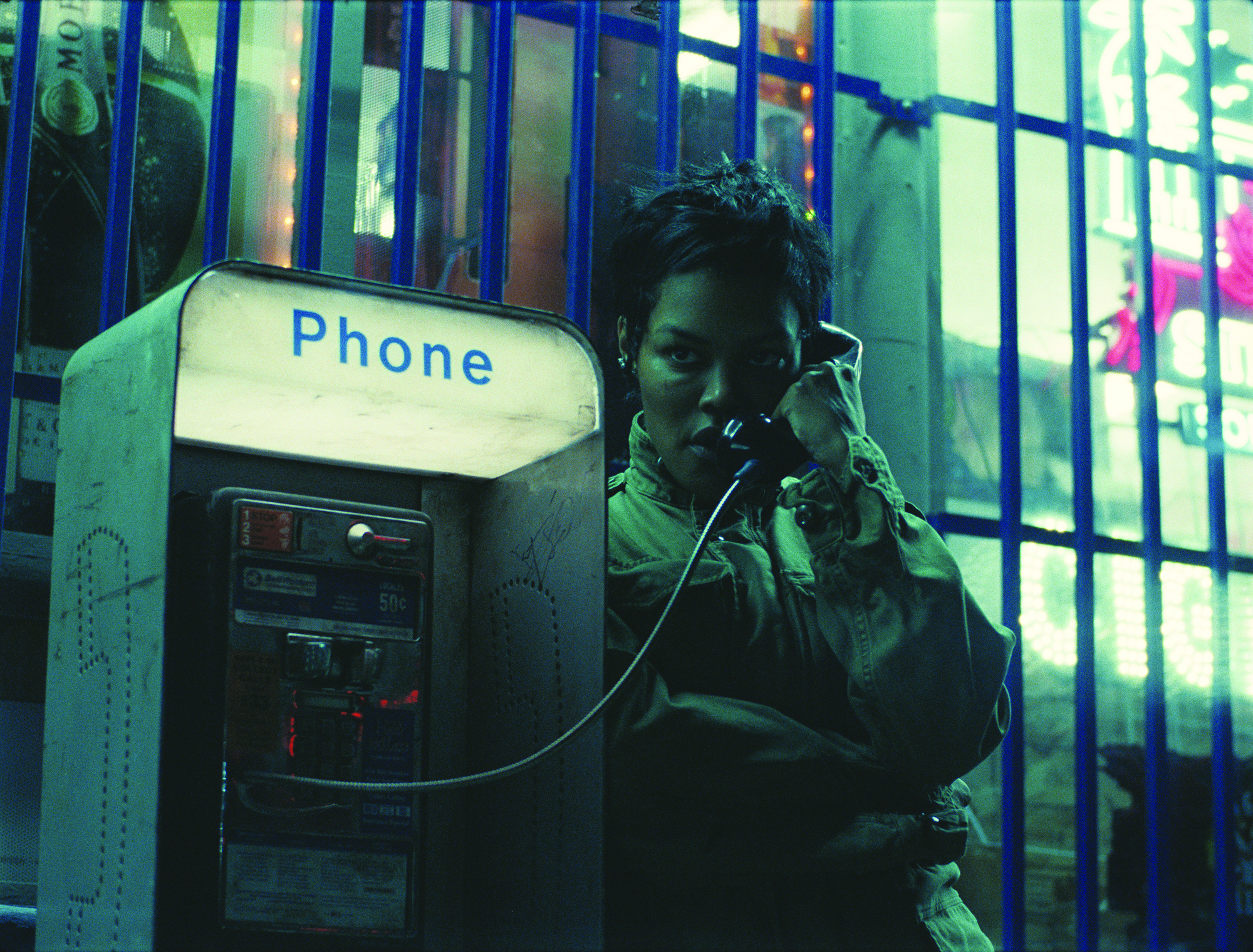
The booth becomes the dominant practical source.
The actress is clearly shaped and exposed to feel connected to that source.
At the same time, the filmmakers are willing to let other highlights clip and fall outside the exposure range because they are not the most important element in the frame.
This is a perfect example of visual hierarchy.
The phone booth matters.
The actress matters.
The rest of the frame supports those priorities.
The final image
After lowering the room, controlling the practical, adjusting white balance, adding the Amaran 360c outside the window, and introducing subtle fill from the Amaran 200x, the final image looked like this.
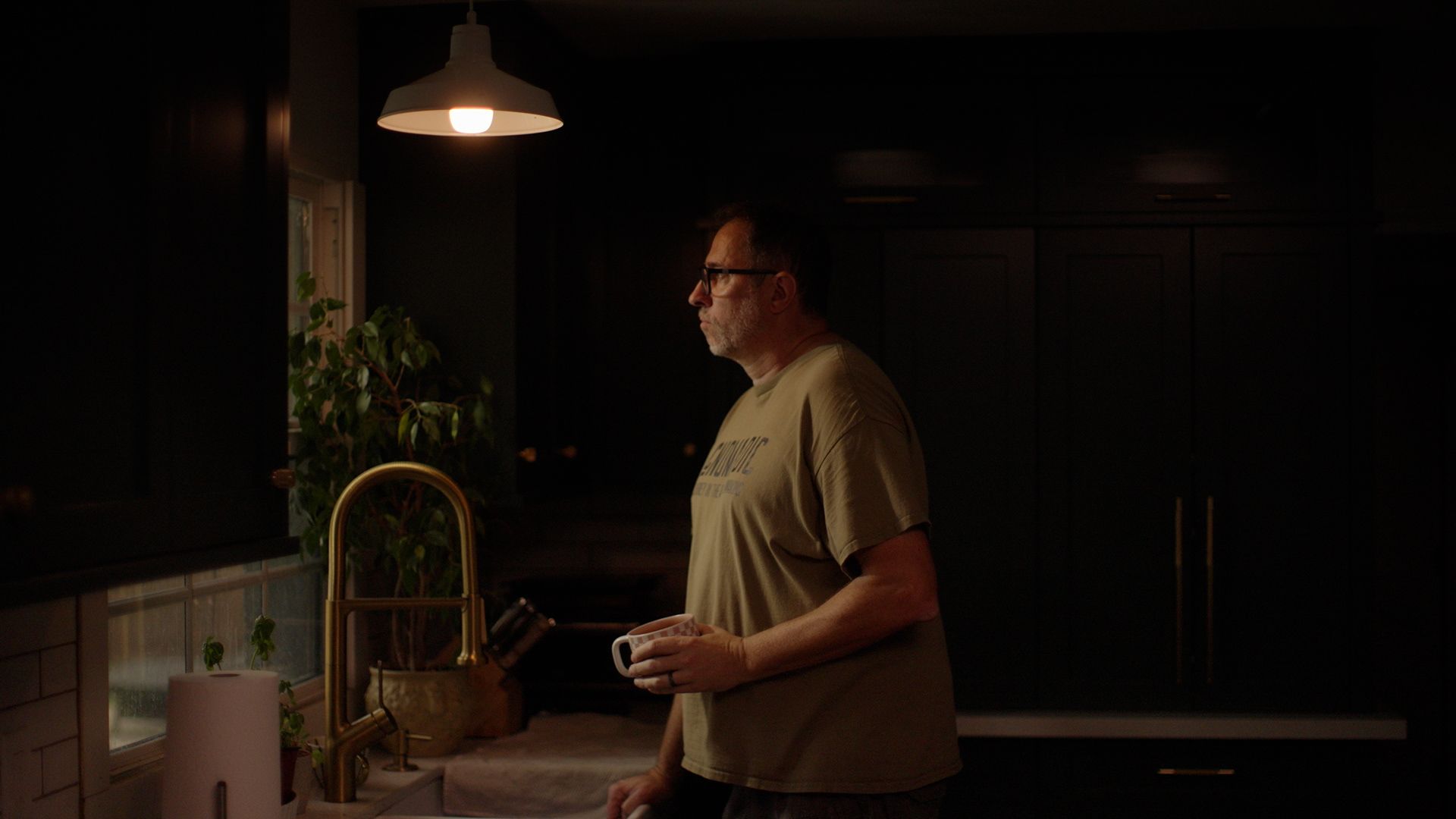
Notice how the practical immediately attracts attention.
The room remains controlled.
The shadows remain present.
The practical feels warm.
The subject is properly exposed.
The image feels motivated by the fixture even though multiple light sources are contributing to the final result.
Most importantly, the practical now has authority.
It influences the mood of the frame.
It influences where the audience looks.
It influences every lighting decision that follows.
That is the real goal.
Not simply placing practicals in the frame, but allowing them to become part of the visual storytelling.
The goal is not darkness
It is important to understand that this technique is not about making images darker.
Darkness by itself is not cinematic.
Underexposure is not the objective.
The goal is control.
By lowering the environment, you gain control over the practical.
Once the practical becomes important, you can decide exactly where the audience looks, how the room feels, and what emotional tone the image communicates.
Sometimes that means using ND.
Sometimes it means changing the bulb.
Sometimes it means adjusting white balance.
Sometimes it means adding motivated light.
But every decision serves the same purpose:
Give the practical visual importance.
Final thoughts
Using practicals can do far more than add visual interest to a frame.
They can establish mood, guide the viewer's eye, create depth, and provide the foundation for every lighting decision that follows.
But practicals only become powerful when the exposure is built around them.
The secret is not making practical lights brighter.
The secret is making everything else less important.
By lowering the overall levels, you gain control over the practicals. And once you control the practicals, you gain control over the mood, the depth, and ultimately the story your image is telling.
If you'd like to learn more about exposure, camera control, lighting, composition, and creating more intentional images, be sure to check out my online course, Essential Camera Settings.
by Chris Tinard © cNOMADIC 2026
Learn more about cNOMADIC's cinematography philosophy and training at cNOMADIC.com