What Call My Agent! Teaches Us About Cinematic Production
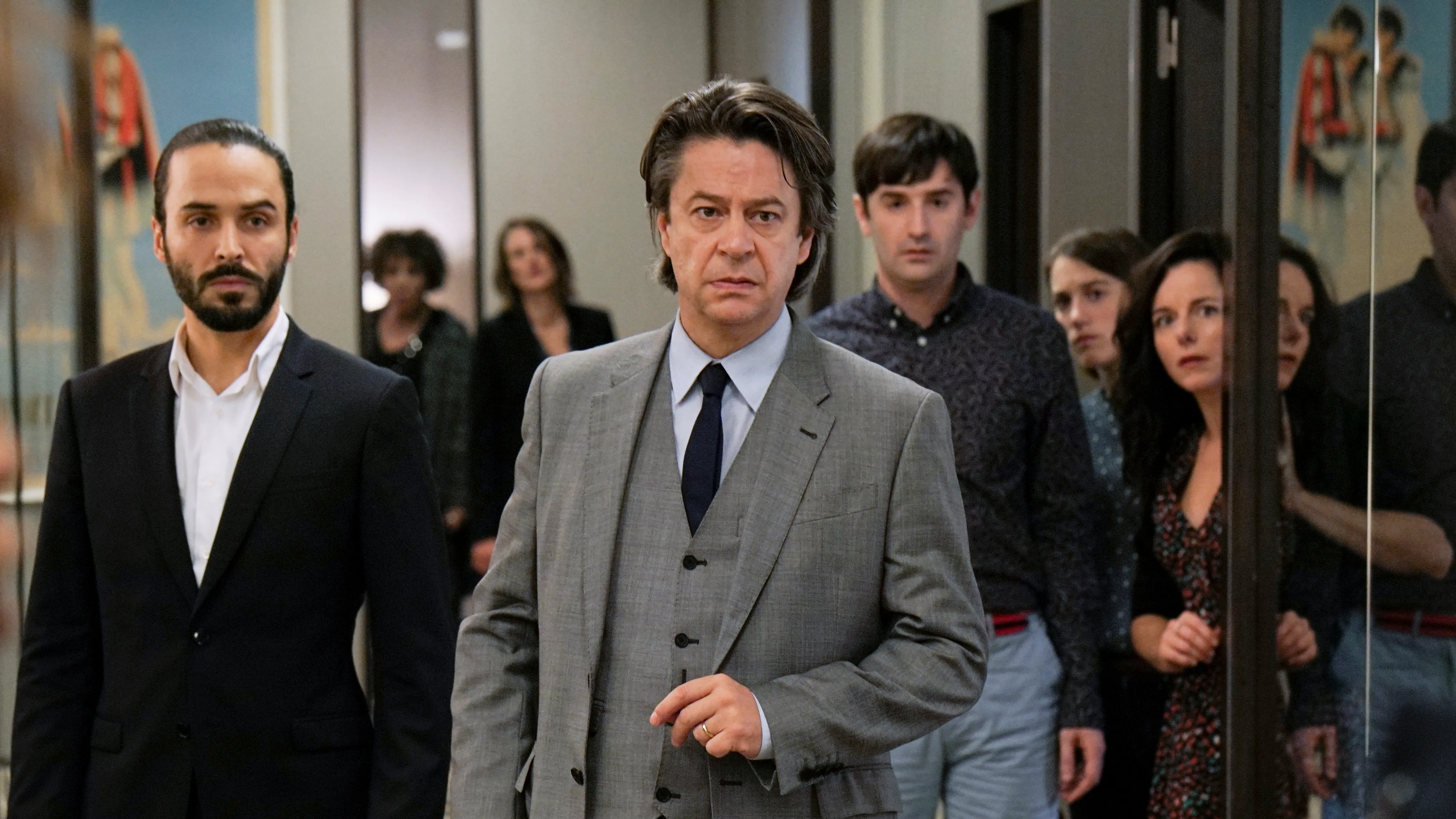
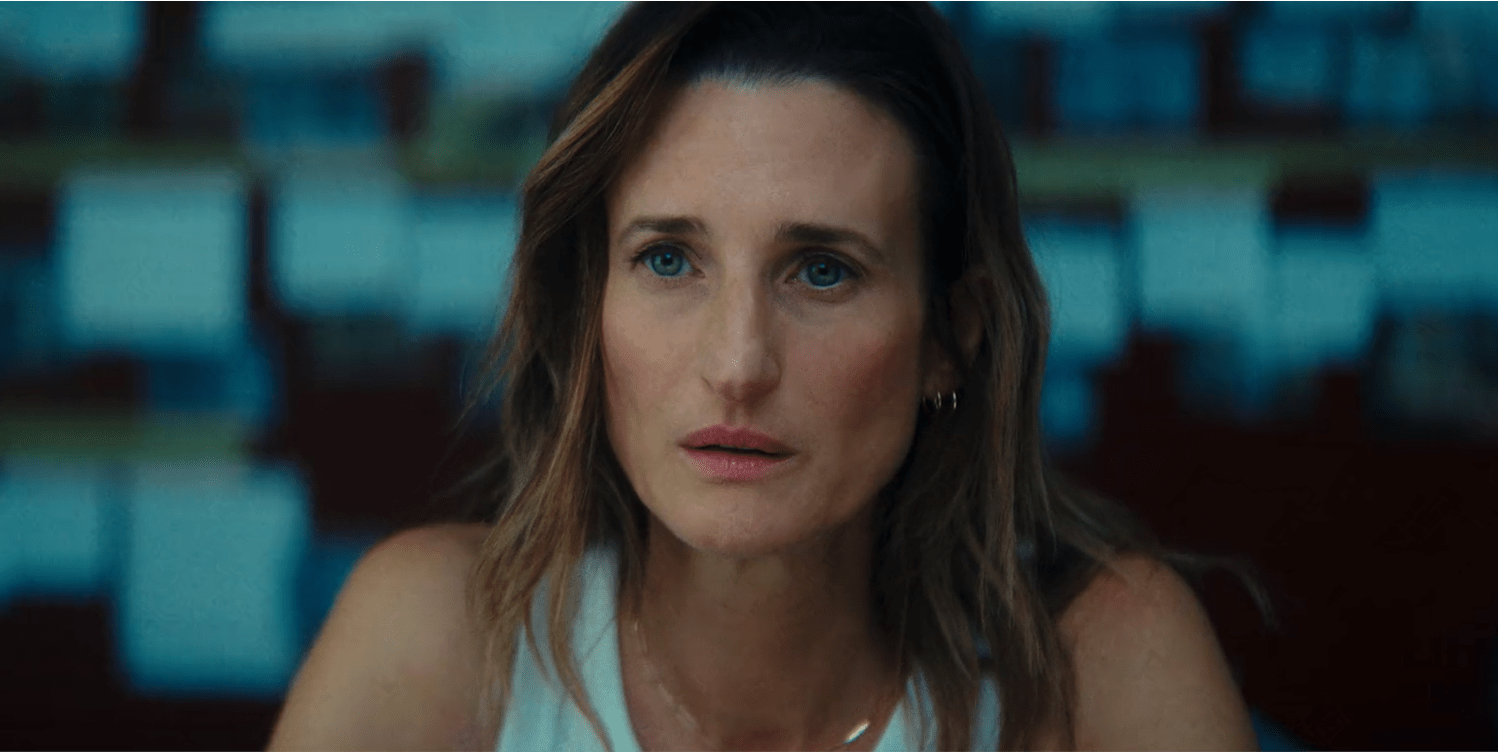
Sep 21, 2026The new Call My Agent! movie looks dramatically more cinematic than the series it continues. It is the same world, many of the same characters, and the same basic premise—but the images feel more polished, more controlled, and more deliberate.
The easy explanation is money. The more useful explanation is compromise.
Every production forces us to decide what to protect, what to sacrifice, and how to get the most from what is actually possible. Looking at the series and the movie side by side shows how differently those decisions can play out when a production has more time and resources.
The biggest luxury is time
The first season of the series consisted of six episodes with a reported budget of roughly €6 million. The movie had a reported budget of €17 million. But the production schedule reveals an even more important difference.
A typical 52-minute episode was shot in only 11 days. That required the team to create almost five finished minutes per shooting day. The 117-minute movie was filmed over 44 days—about 2.7 finished minutes per day.
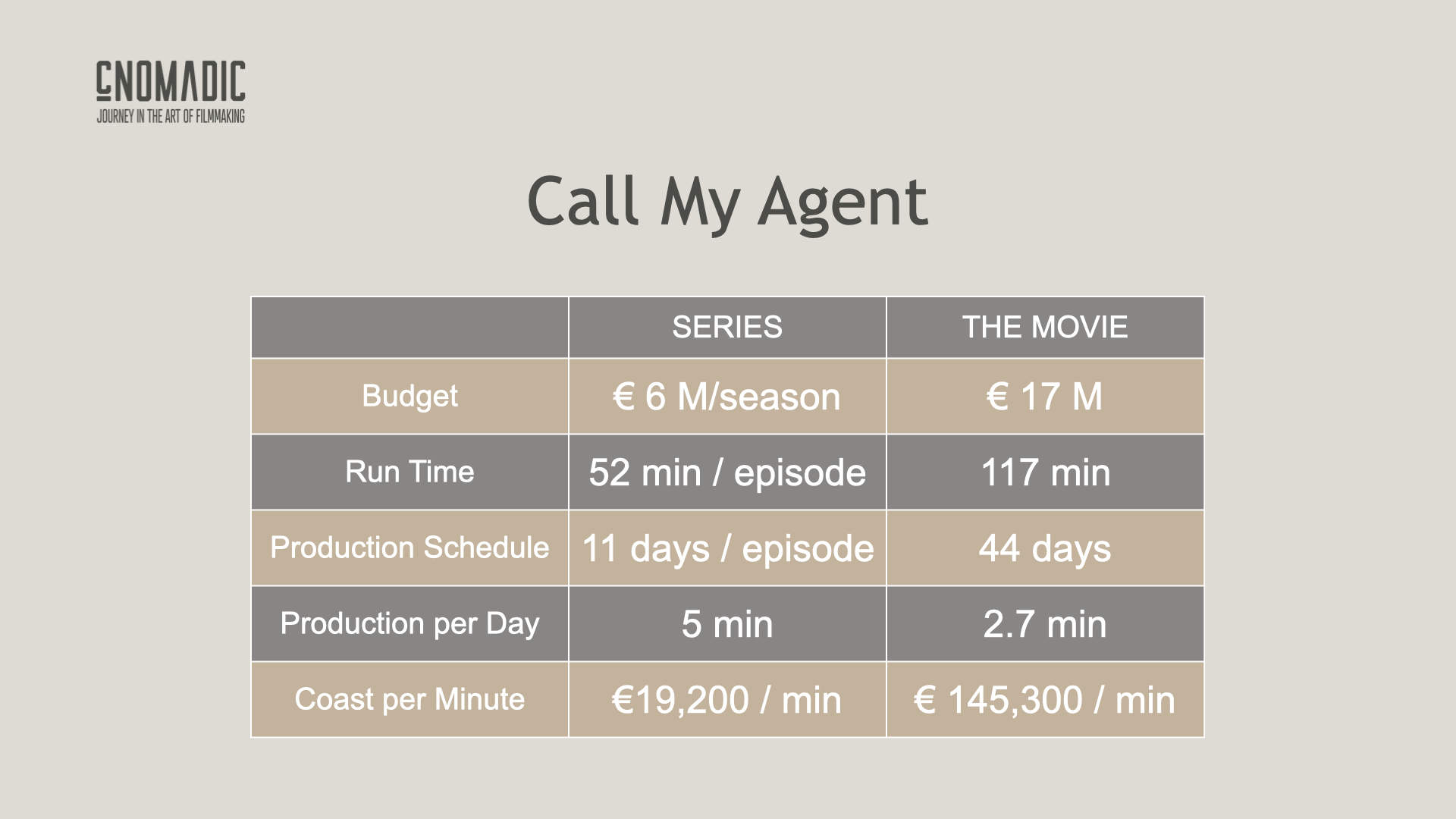
More time does not eliminate compromise. It gives the filmmakers more control over where to make those compromises. They can refine the lighting, improve the composition, adjust the blocking, move the camera, and spend longer on the shots that matter most.
That is the real production-value advantage. Better equipment may help, but the opportunity to use it deliberately is what changes the image.
What more time changes on a real production
I see the same principle in my own work. A typical ten-hour day might need to produce about three finished minutes with a crew of only two people. If the same project becomes a two-day shoot, the daily requirement drops to roughly a minute and a half. That does not sound dramatic, but it can completely change the decisions we are able to make.
With more time, I can schedule an interview for the part of the day when the natural light is best. I can build a day around a sunset shot that cannot be moved. I can add a second location, giving the finished piece more visual variety. I can also spend time on a slider move instead of leaving the slider in the case because the schedule feels too tight.
The danger of safe mode
When a schedule becomes stressful, the natural response is to protect the schedule by simplifying everything. The camera stays at a comfortable height. Coverage gets wider. Lighting becomes faster and more generic. A controlled camera move is replaced by whatever can be captured quickly.
I call that safe mode.
Safe mode may produce more footage, but quantity is not the same as value. The goal is not to collect as many images as possible. The goal is to return with the images the finished piece actually needs.
That does not mean ignoring the schedule or insisting on perfection. It means resisting the urge to sacrifice every distinctive choice simply because pressure has increased. Sometimes one carefully chosen camera move, one better lighting setup, or one shot captured at the right time of day is worth more than a dozen pieces of ordinary coverage.
Not every compromise is visual
The difficult decisions are not limited to lighting and camera movement. A location with the best image may also be noisy. A client may love a window view that cannot be balanced with the equipment and time available. Six interviews might fit physically in six different positions, but relighting six setups may not be realistic.
In those situations, cinematography becomes a process of prioritization:
- Do I spend another 20 minutes refining the interview light?
- Do I protect the camera move or use that time for another setup?
- Do I accept the noisier location because the image is essential?
- Do I create fewer interview setups so each one can be better?
There is no universal answer. The right compromise depends on what matters most to the finished piece and what can realistically be protected that day.
Better cinematography is better decision-making
The skill of cinematography is not creating a perfect image under perfect conditions. It is identifying what deserves your limited resources.
Every production gives you a different combination of time, crew, location, equipment, and client priorities. Our job is to understand those limitations early enough to make good decisions around them.
The goal is not to eliminate compromise—you never will. The goal is to become better at deciding what to protect, what to let go of, and how to get the most out of the production you actually have.
When a project turns out better, it is not always because you suddenly became a better cinematographer. Sometimes you were simply given the time, control, and resources to fully execute what you already knew how to do.
If you want a practical framework for making these decisions on real productions—from framing and lighting to lens choice and exposure—explore The Essential Guide to Cinematic Video.